Year 12 IB Chemistry: Students Leading Real Science
This week, our Year 12 International Baccalaureate Chemistry students undertook their Internal Assessment (IA) practical, a major, externally assessed component of the IB Diploma that mirrors the kind of independent investigation students encounter at university.
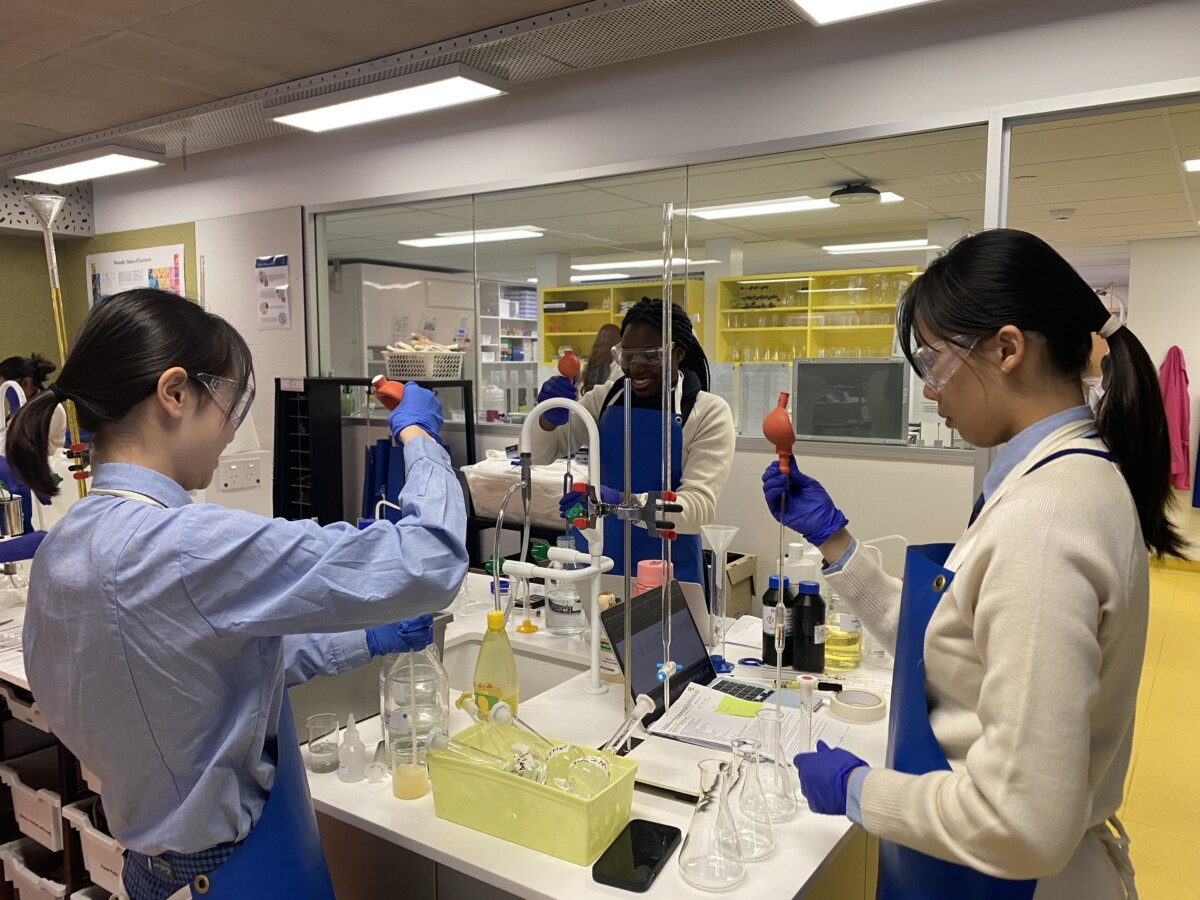
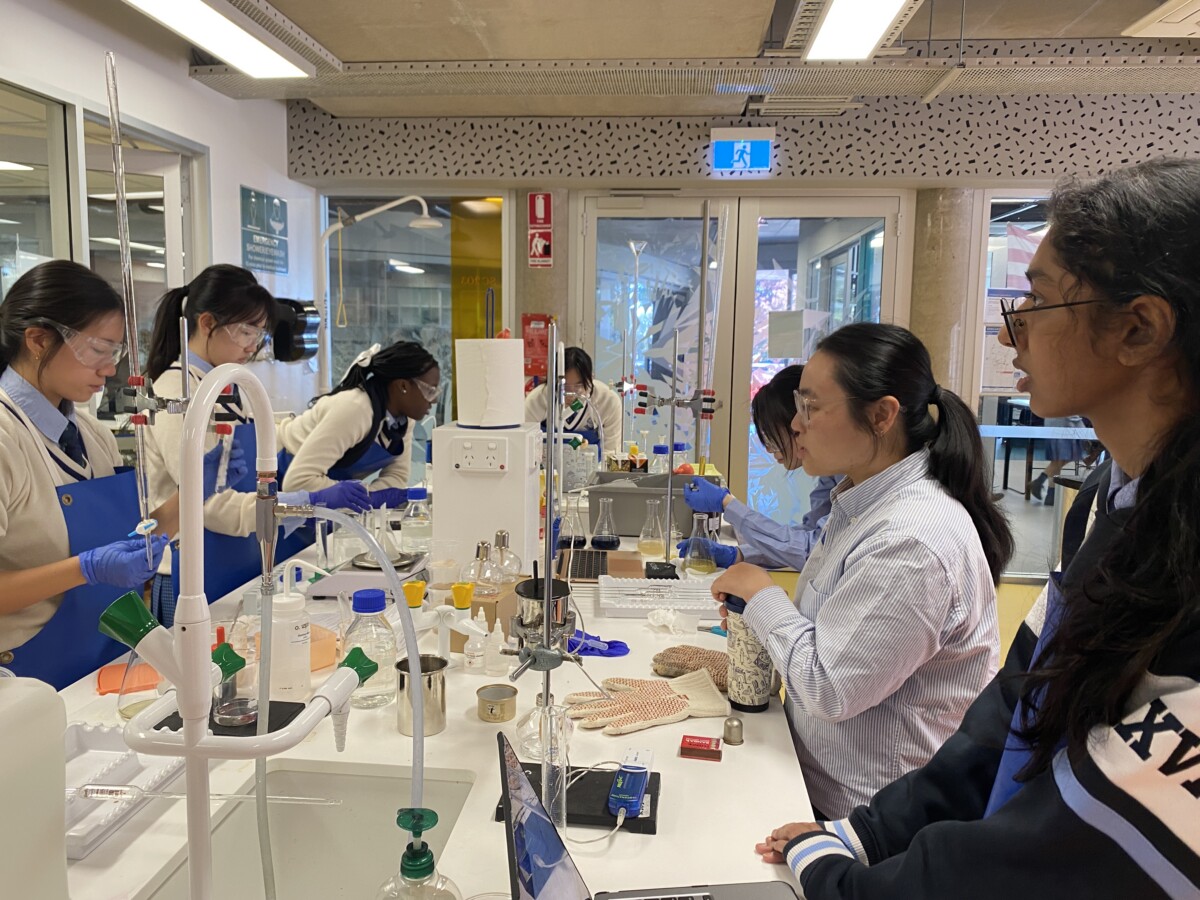
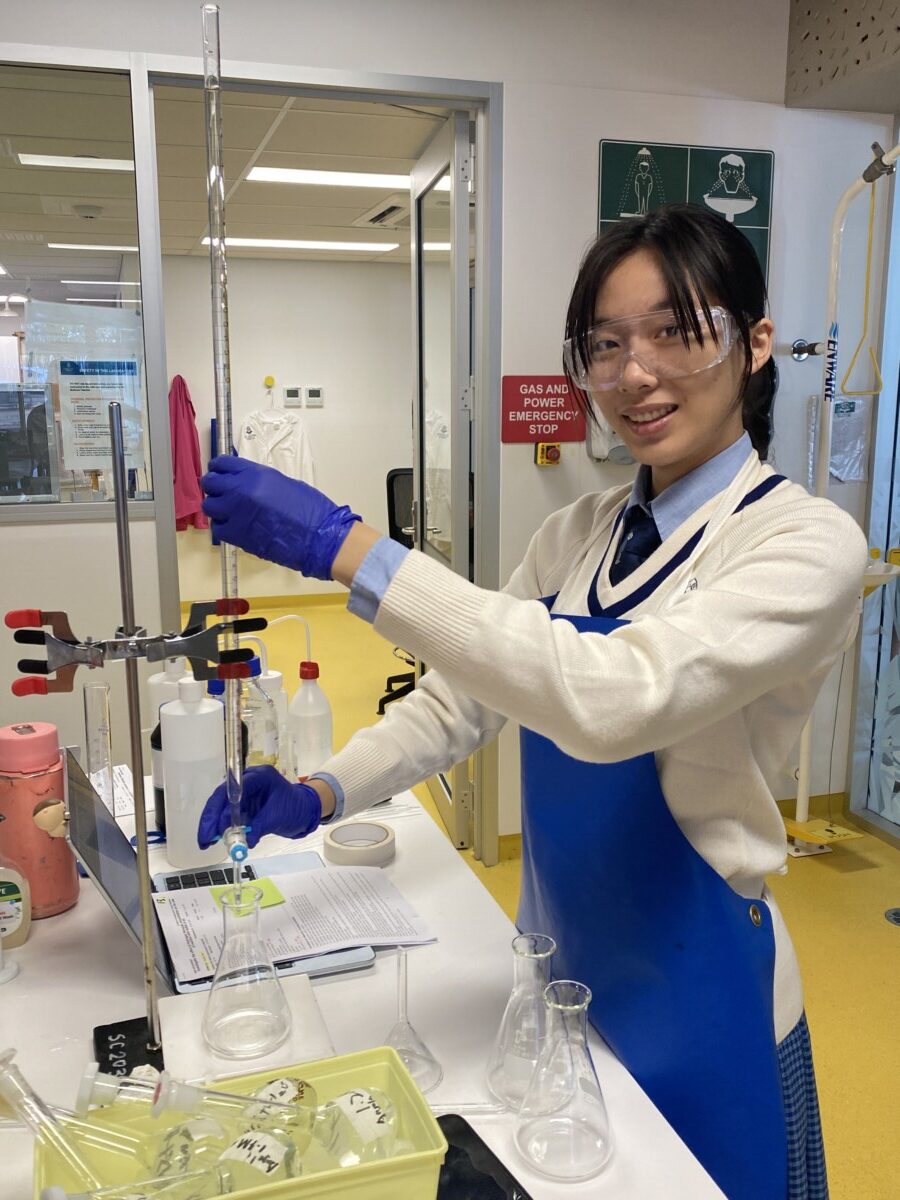
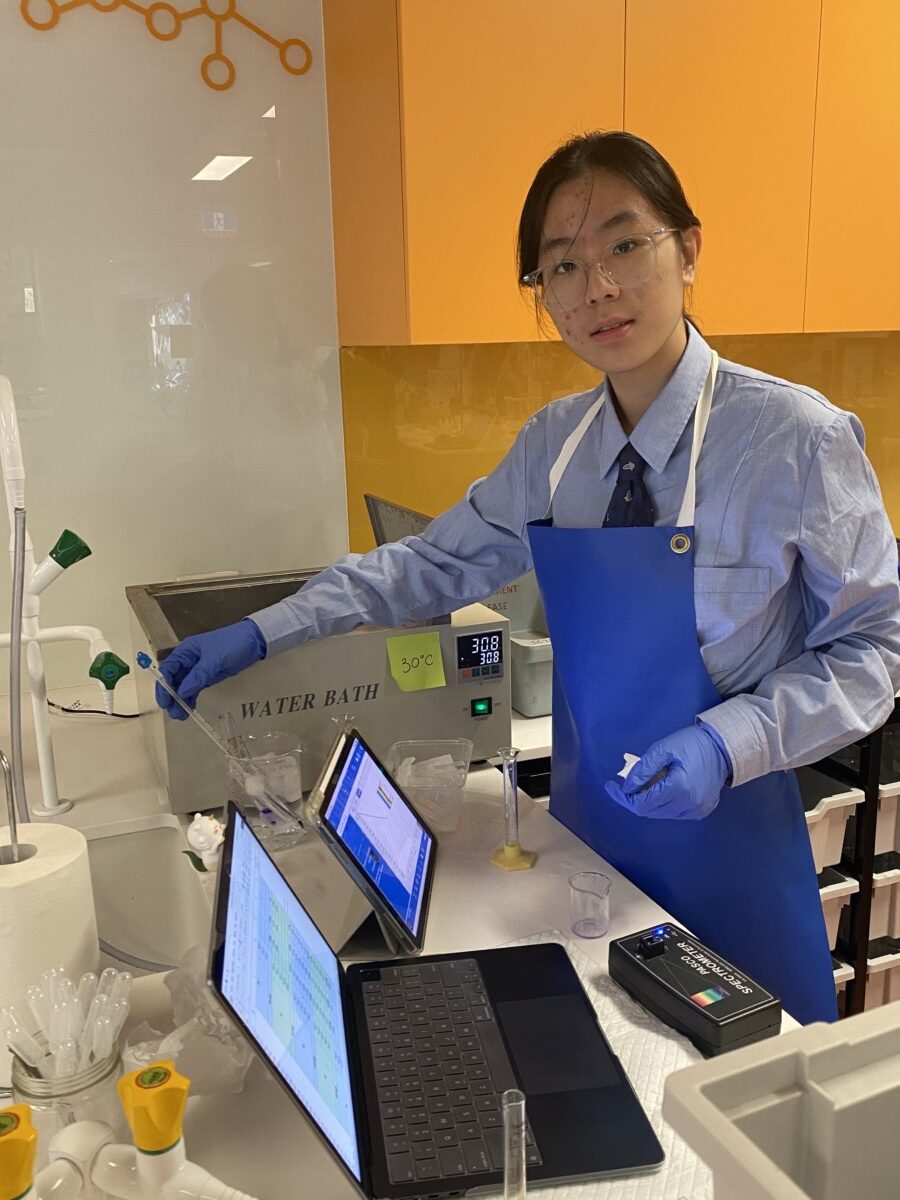
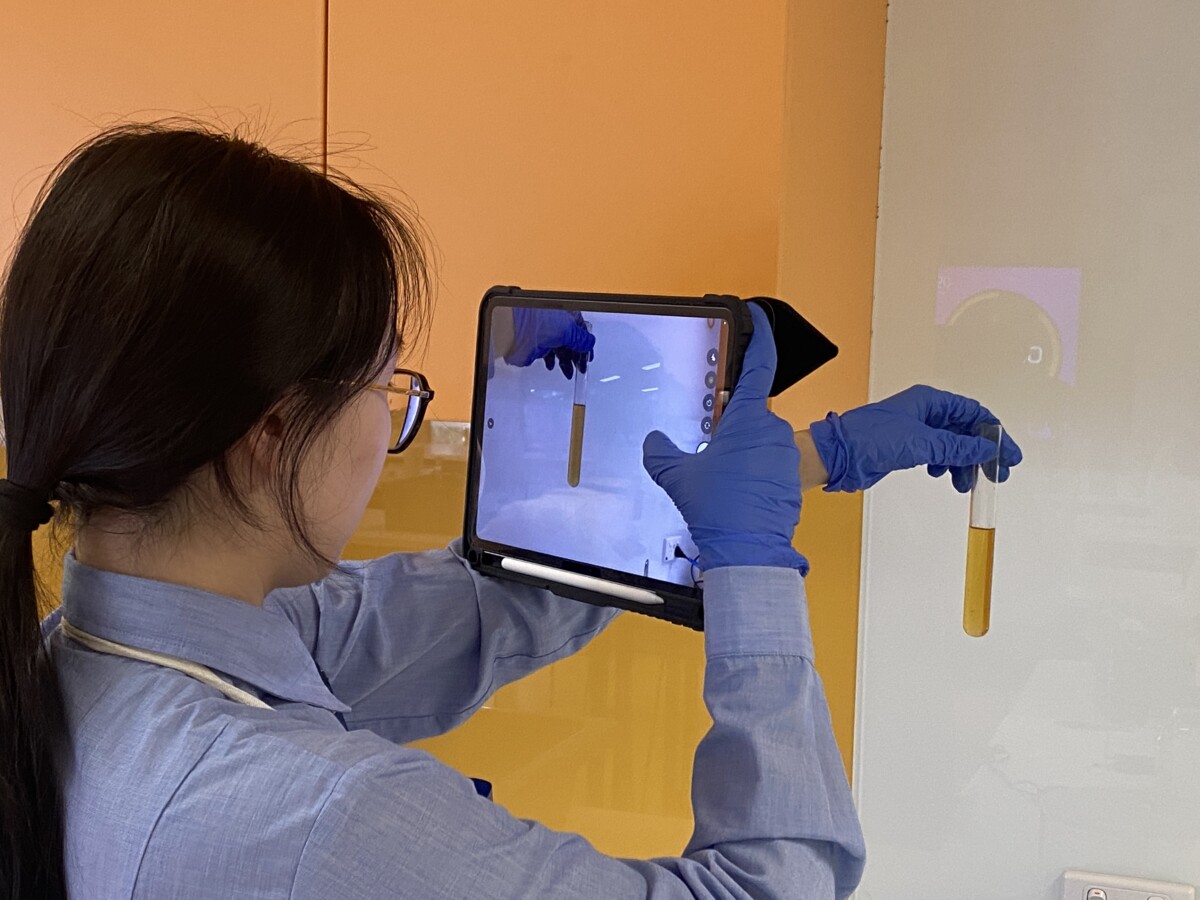
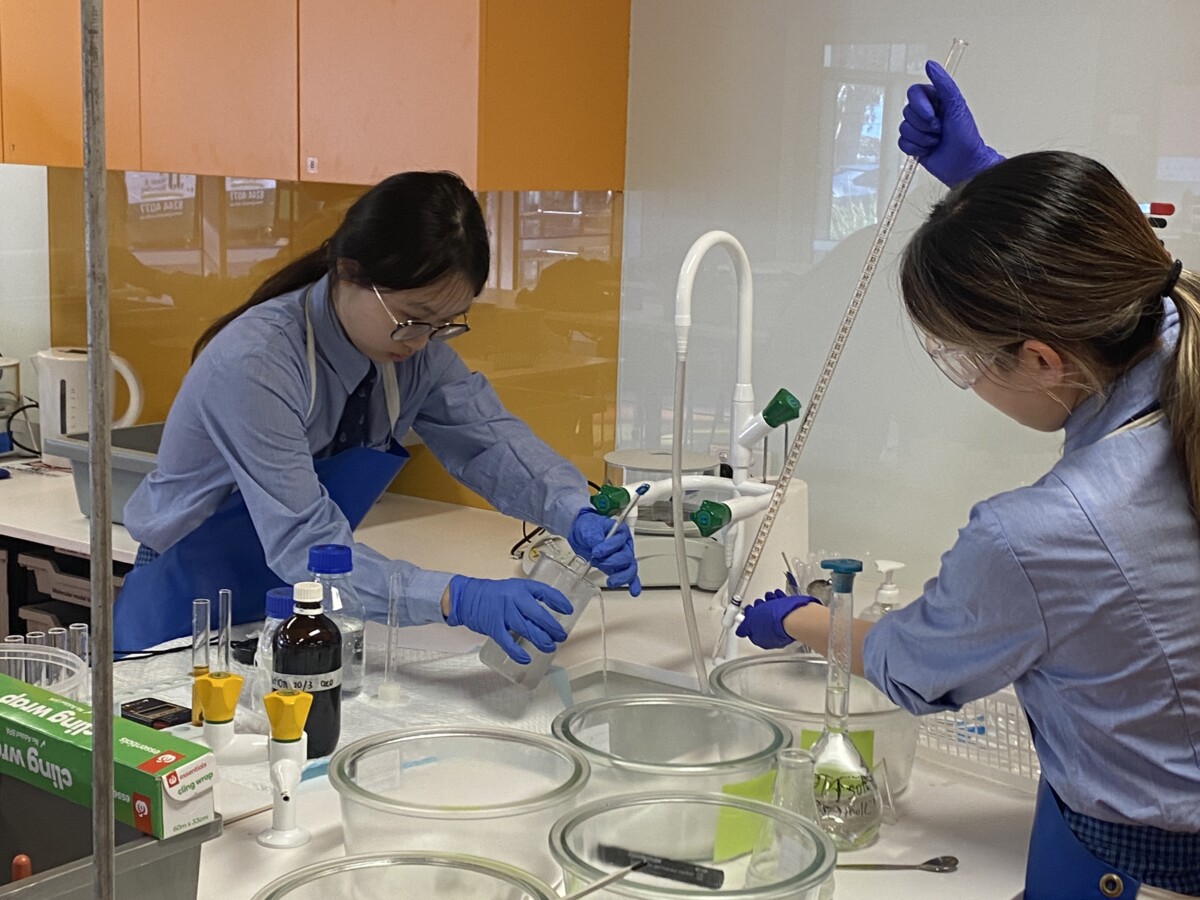
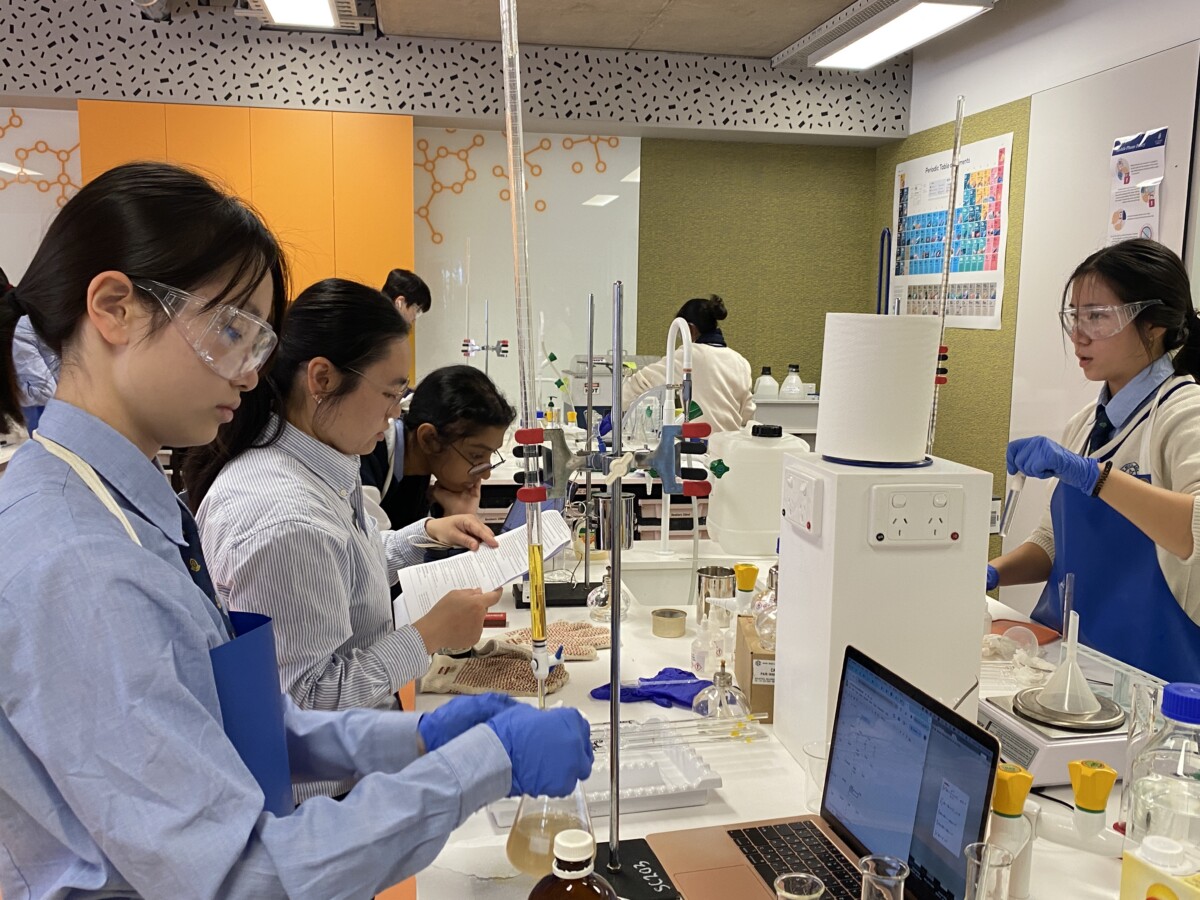
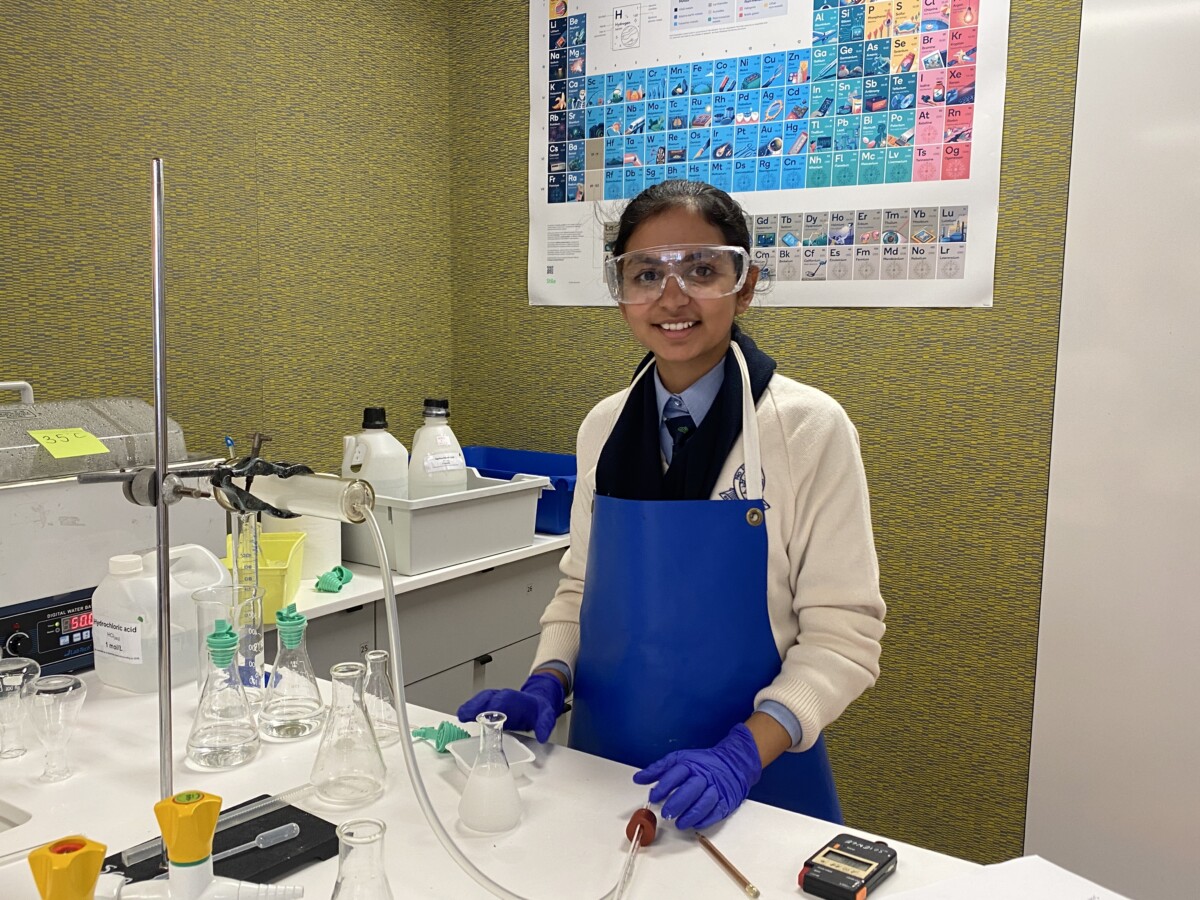
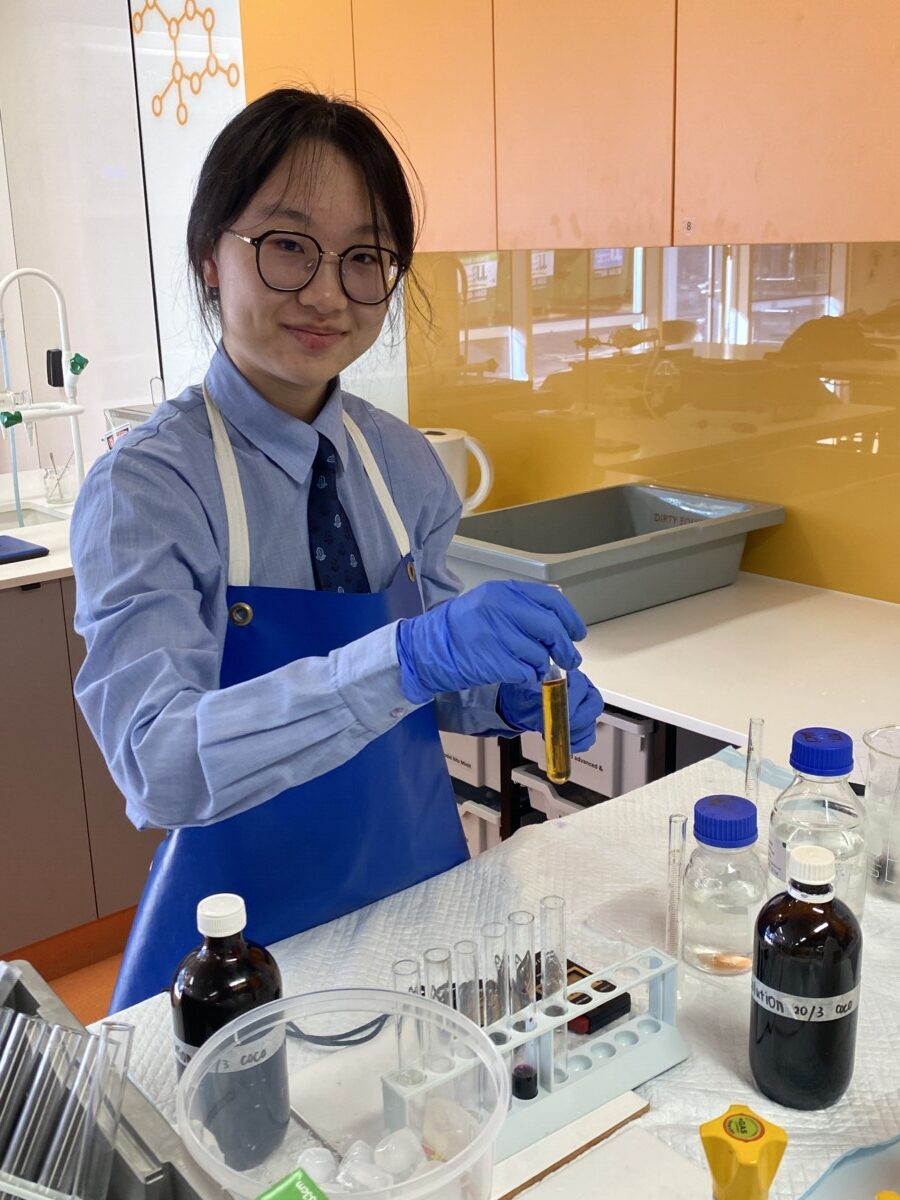
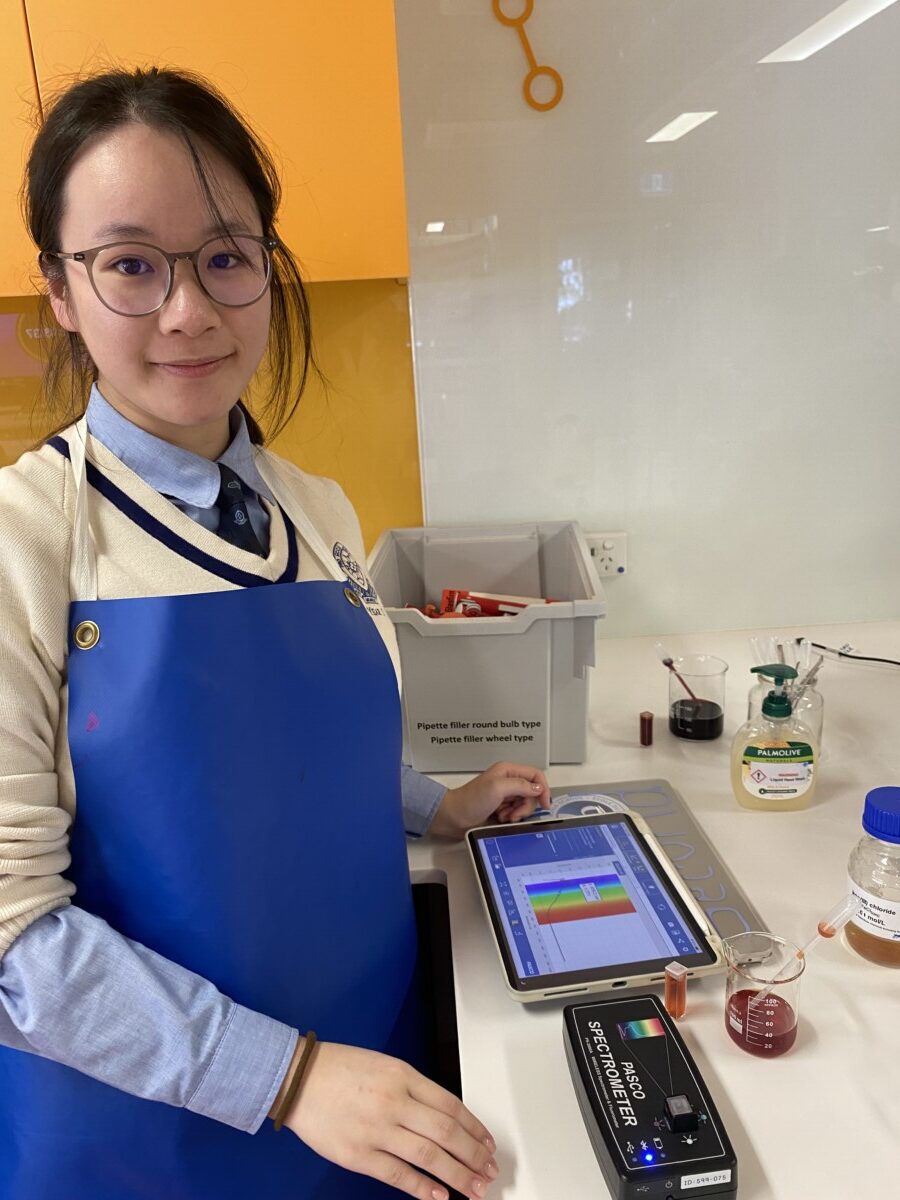
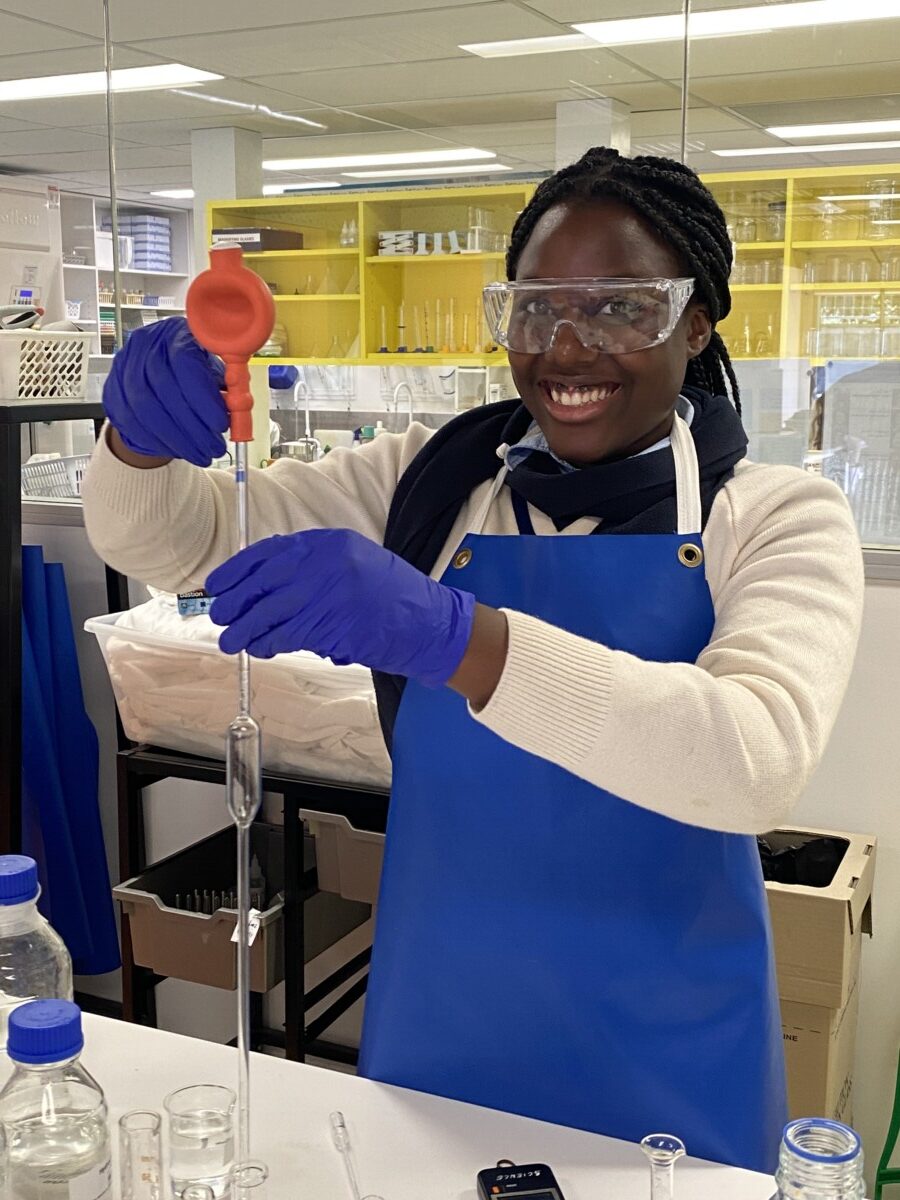
Across an extended four-hour session, the lab was focused and steady, with each student leading her own investigation, work that had taken weeks of thinking, refining and preparation. From shaping research questions to designing and trialling methods, and ensuring all risk assessments were met, the girls stepped confidently into their work. Guided by Senior Chemistry teacher Miss Hin, they explored a range of sophisticated investigations, including The Impact of Temperature on Reaction Rates and Coral Reef Decomposition; The Effect of Sodium Hydroxide Concentration on the Decolourisation of Crystal Violet; and The Determination of Vitamin C Content in Fruit Juices through iodometric titration.
What really stood out was the level of understanding in the room. The girls genuinely knew their work, not just what to do, but why they were doing it. You could see it in the way they handled each stage of their experiments with care and precision, particularly in measurements and dilutions, where even small errors can shift results. They worked methodically, ensuring accuracy in volumes, concentrations and technique, the kind of exactness that sits at the core of strong science.
At the same time, there was a clear sense of self-leadership in how they approached their work. They were making informed decisions, interpreting their data, and adjusting their methods intentionally. When results shifted, they responded with reasoning rather than guesswork. They took responsibility for their process and drove their investigations forward with clarity and control — the kind of thinking that underpins strong scientific practice and real-world research.
This is what the International Baccalaureate does so well. It asks students to think for themselves, take ownership, and stay with complexity. What we saw in the lab reflected that our girls were working with clarity, intent and a level of independence that extends well beyond the classroom and into future study and pathways.
We are incredibly proud of the way they approached the challenge. The depth of thinking and composure on display made this a powerful moment in their learning journey.
Miss Hin, Science Teacher
Melissa Lee, STEM Innovation Leader
Adelaide Holocaust Museum Excursion
Year 10 History
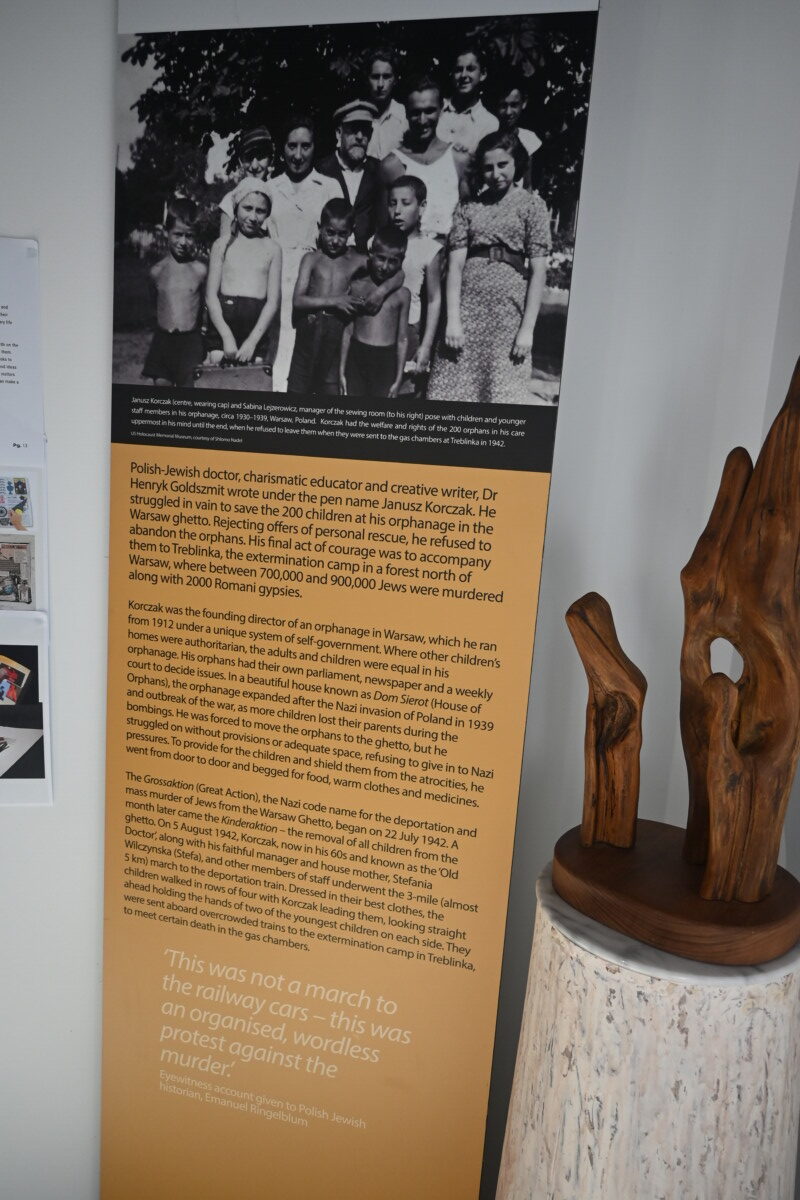
As part of their studies into World War Two, Year 10 students visited the Adelaide Holocaust Museum/ Andrew Steiner Centre.
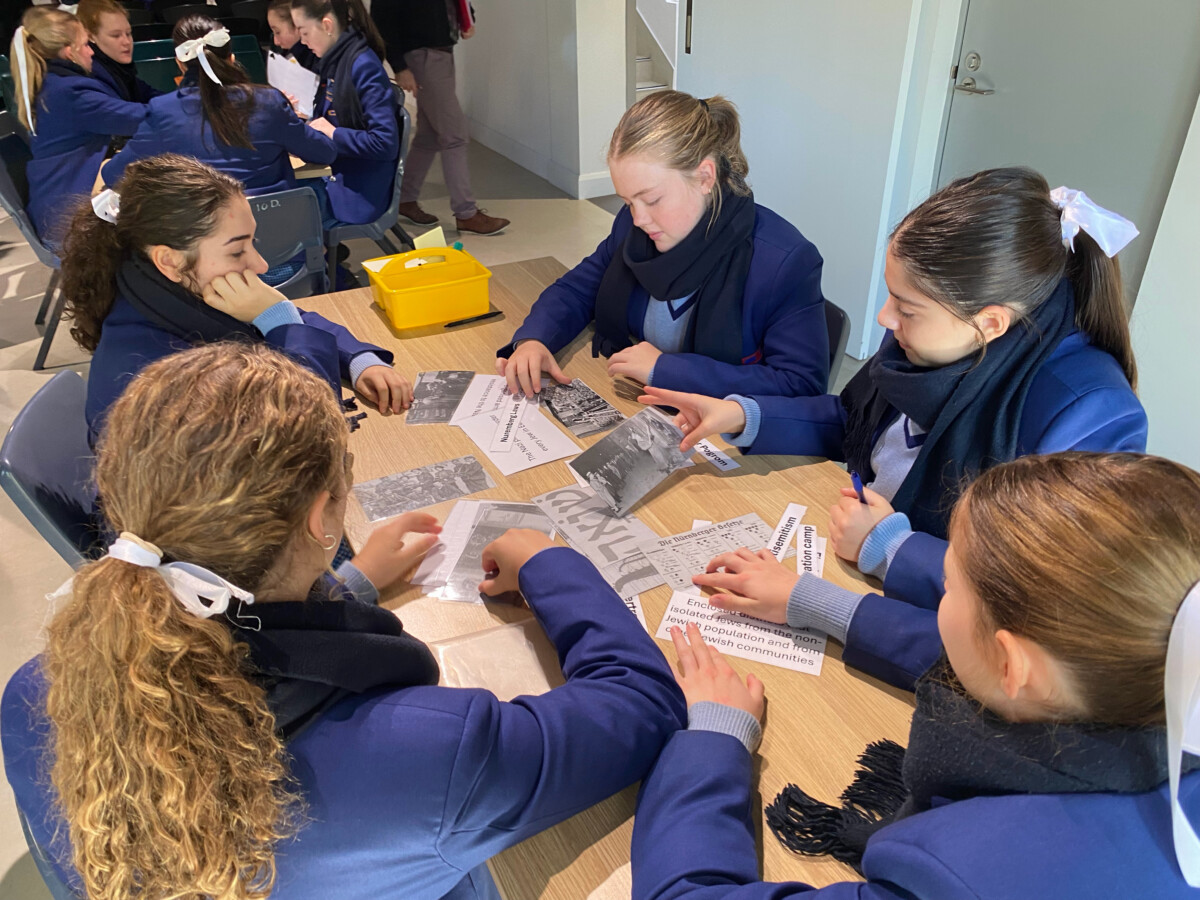
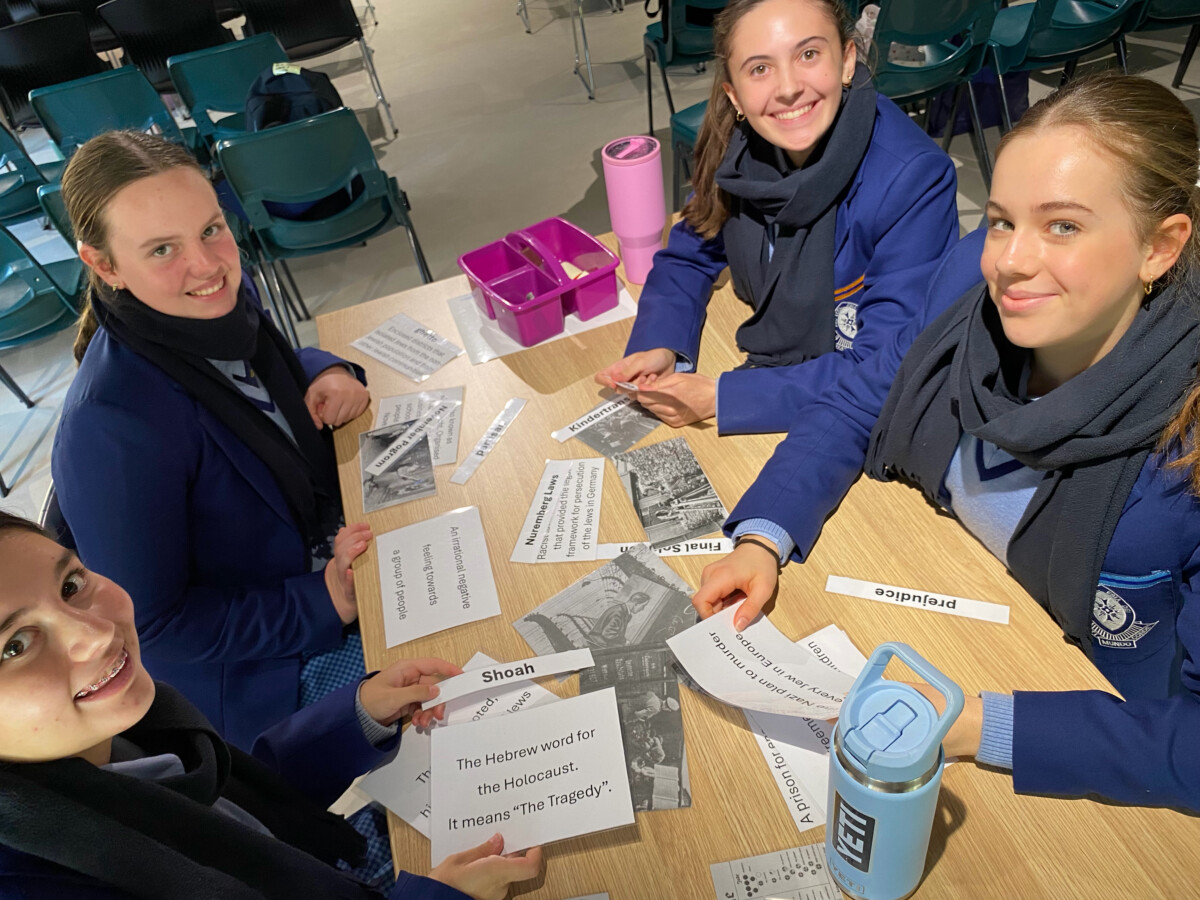
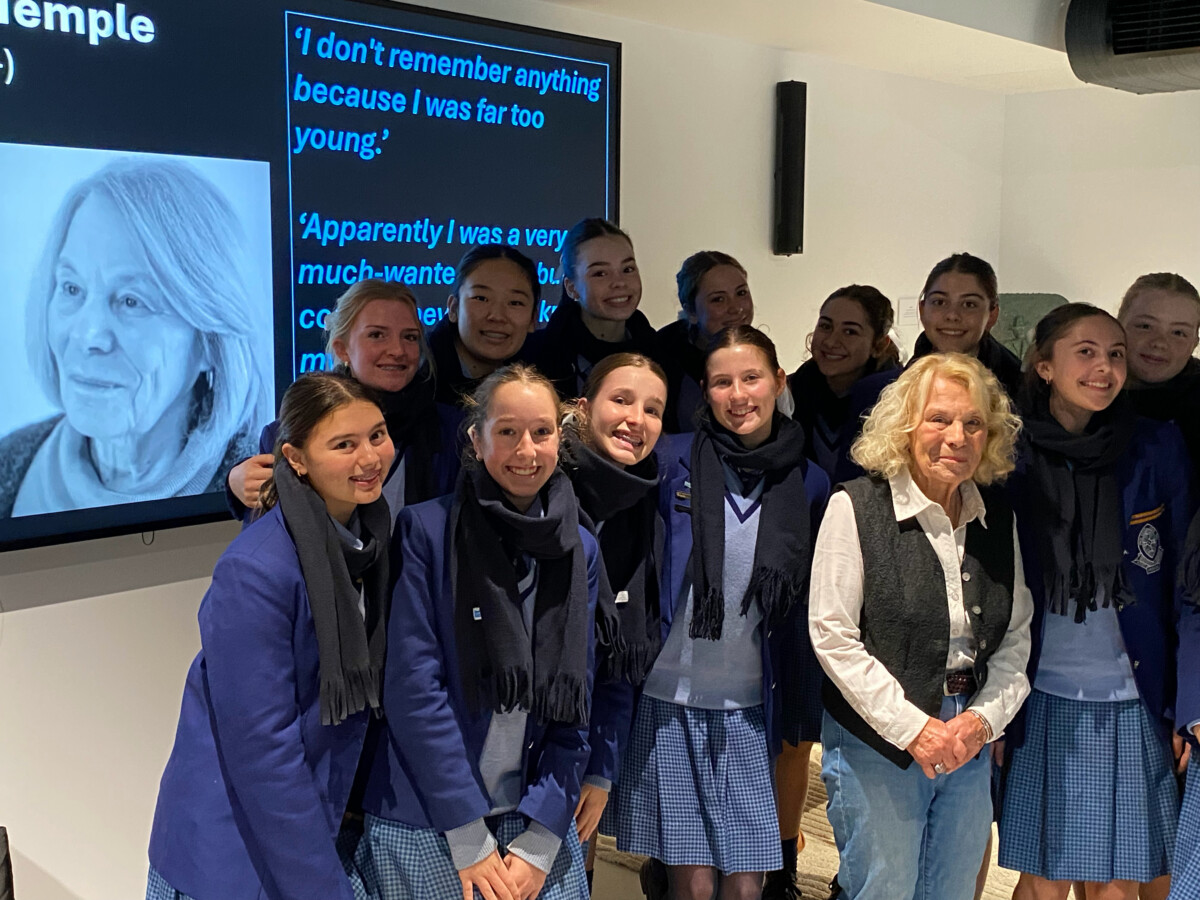
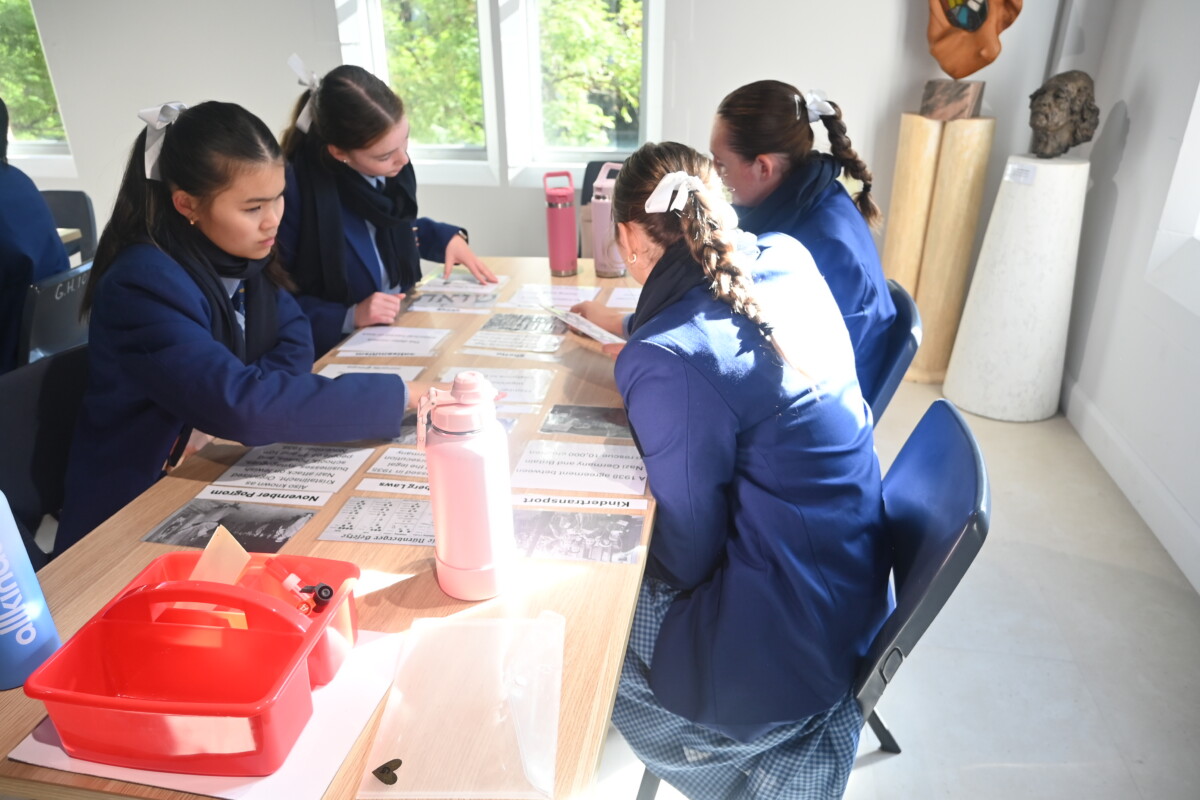
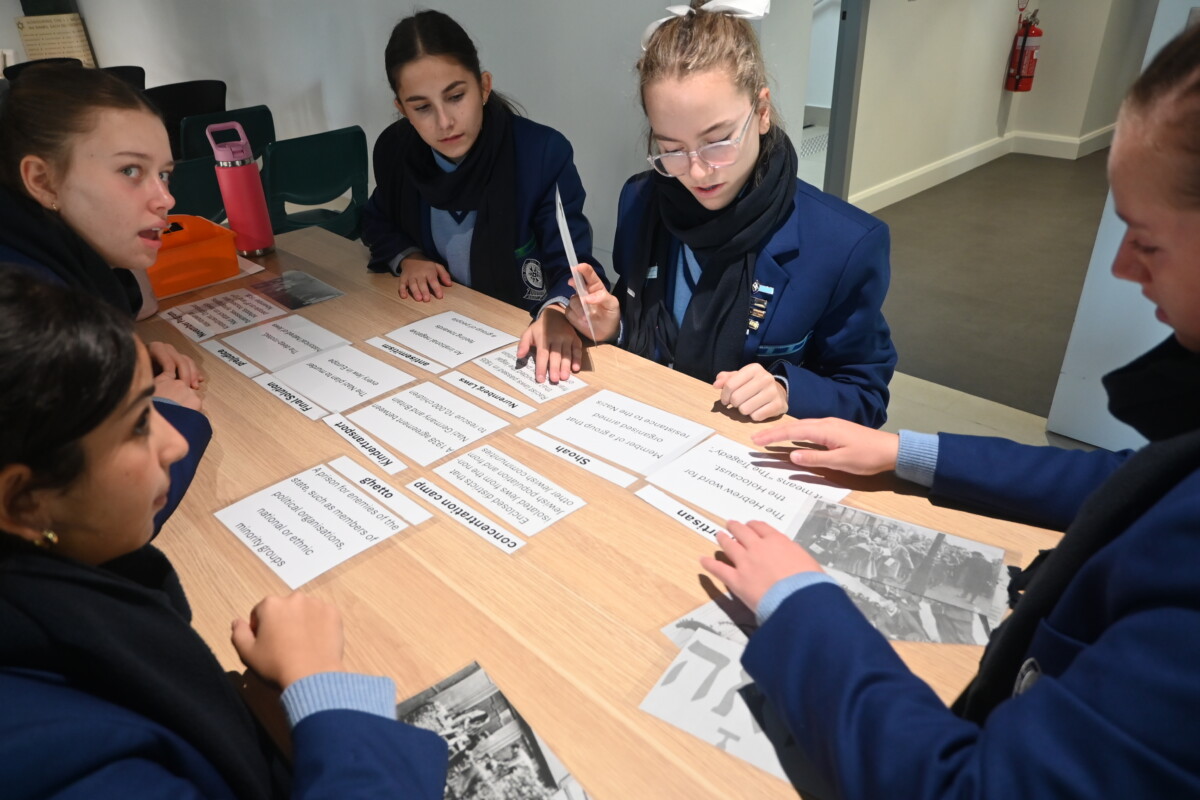
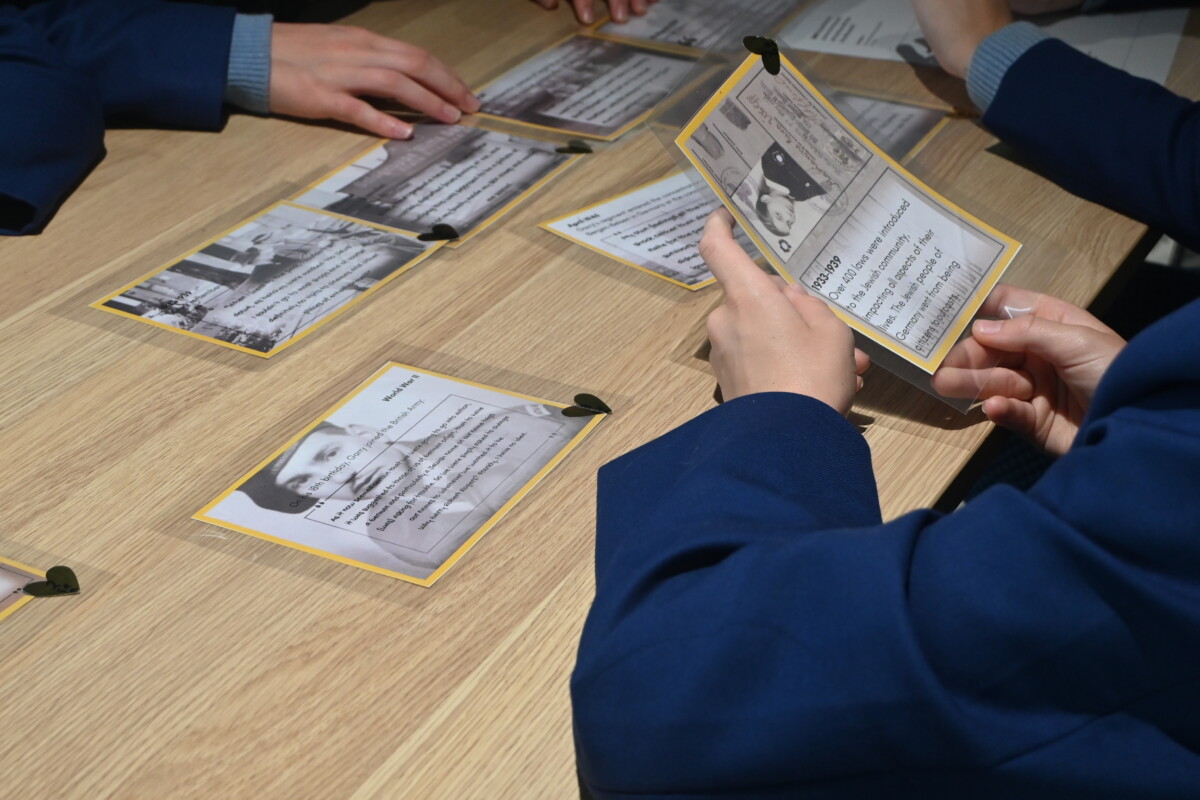
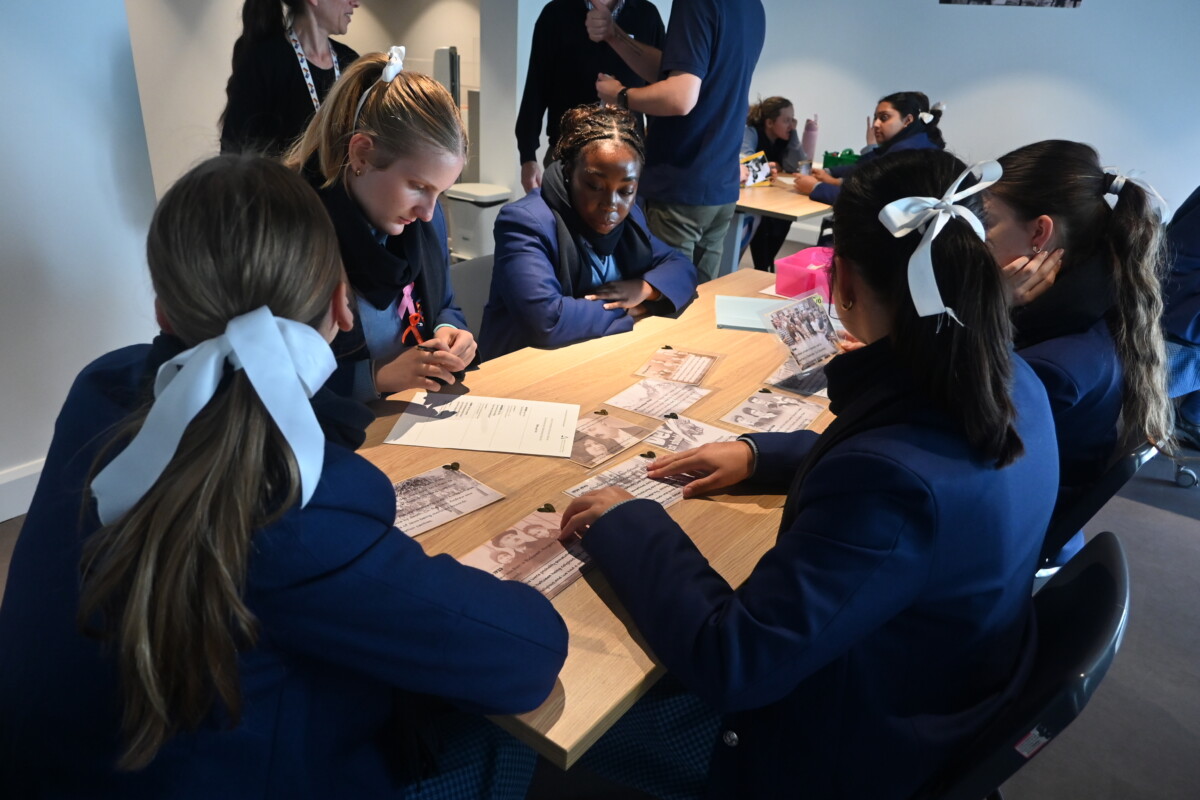
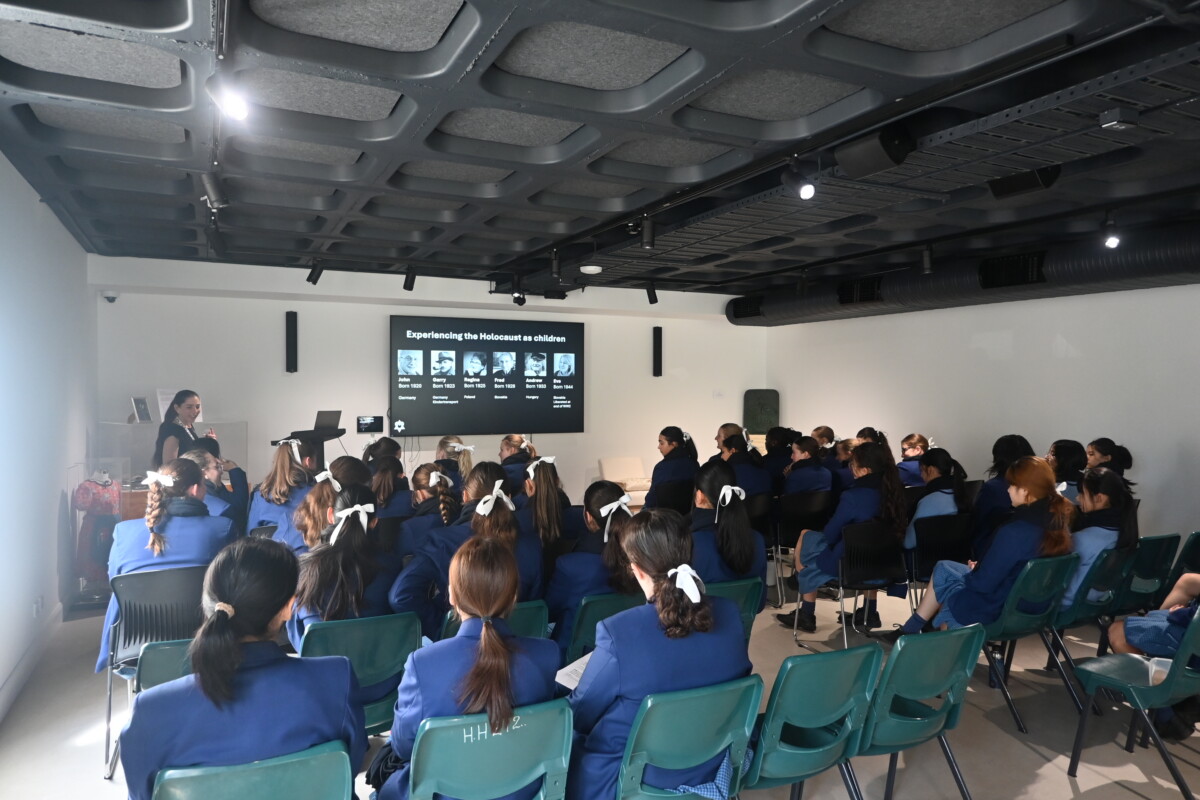
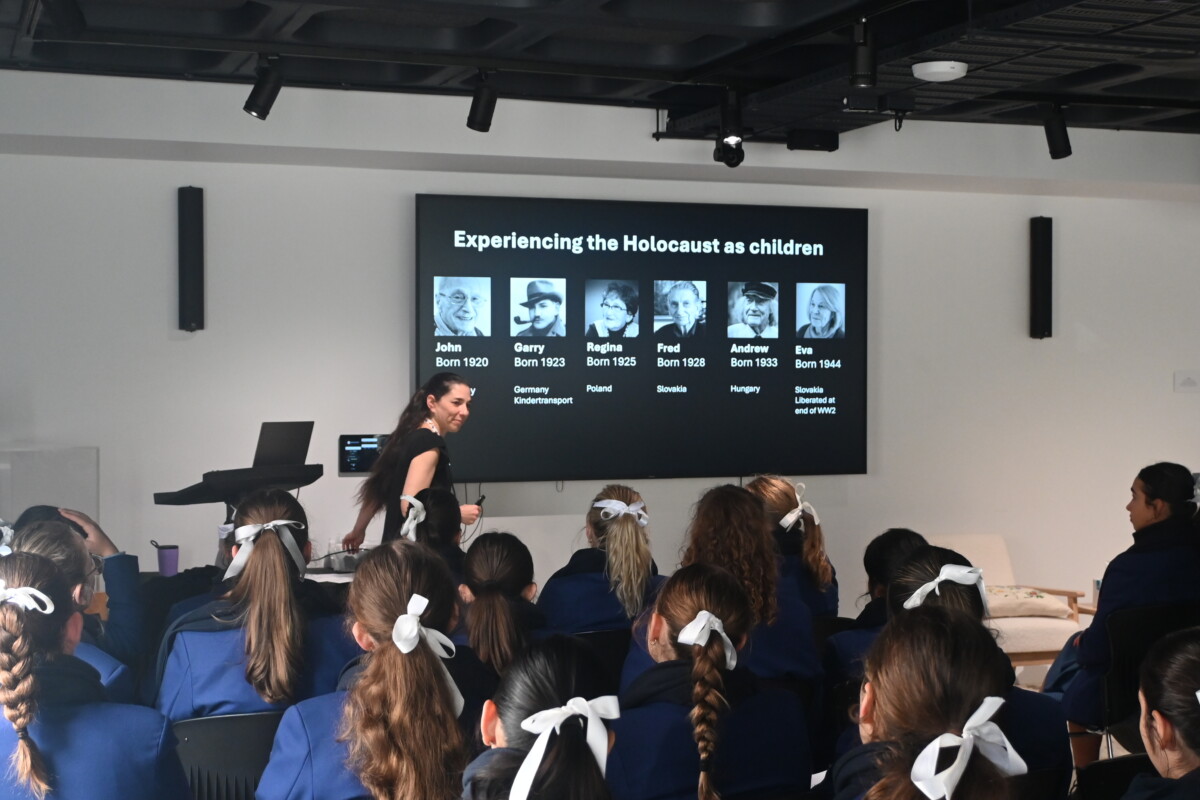
The presentation to students established the historical context of the Holocaust, with students completing group tasks that developed their understanding of the evolution of the Holocaust from 1933-45. In the afternoon session, students had the privilege to hear from Holocaust survivor, Eva Temple, whose remarkable journey highlighted how stories of survival so often relied on the love and bravery of others.
Here are insights from some of the participating students:
‘The Holocaust Museum was interesting because it showed real stories and artefact that made history feel more real. It helped me understand the impact of the Holocaust and why it’s important to remember it.’ Maisy
‘I think experience of going to the Holocaust Museum was extremely beneficial and gave us good insight about what people’s lives were like during the Holocaust.’ Layla
‘The PowerPoint and discussion on the survivors’ stories were interesting, and the activities were fun and inclusive.’ Michaela
‘Getting to meet a Holocaust survivor was really beneficial, as it was nice to hear their story in their own words. The interactive activities were also very enjoyable.’ Milly
‘It was interesting to hear Eva talk about her story, even though she couldn’t remember anything that happened, since she was so young, she was determined to find out about her past.’ Anny
(About Eva) ‘She shared her life experiences by explaining her story regarding how the Holocaust affected her, as one of the youngest or the youngest survivor from the Bergen-Belsen concentration camp… What stuck with me was how she mentioned Esther, who was the Red Cross nurse who had helped her immensely after her concentration camp became liberated.’ Chloe
Consequently, students will be undertaking an assessment combining an empathy piece from the perspective of a survivor and an infographic conveying the viewpoint of either a perpetrator, collaborator, resistor, bystander or upstander. We are hoping the excursion and assessment challenges students to consider the consequences of contrasting decision-making in such critical times in history.
Gregor Dingwall
Head of Humanities and Year 10 Teacher
Year 8 Chinese Excursion: Learning Beyond the Classroom
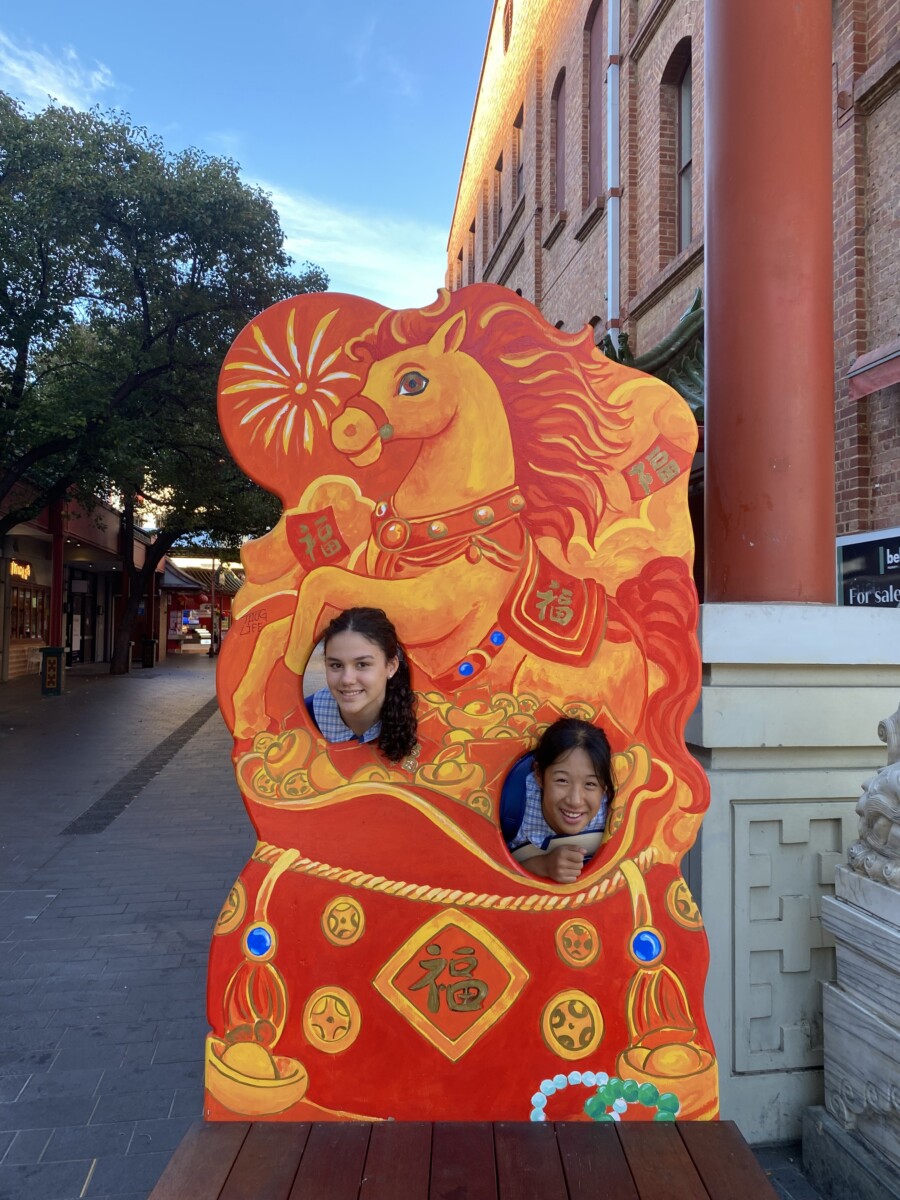
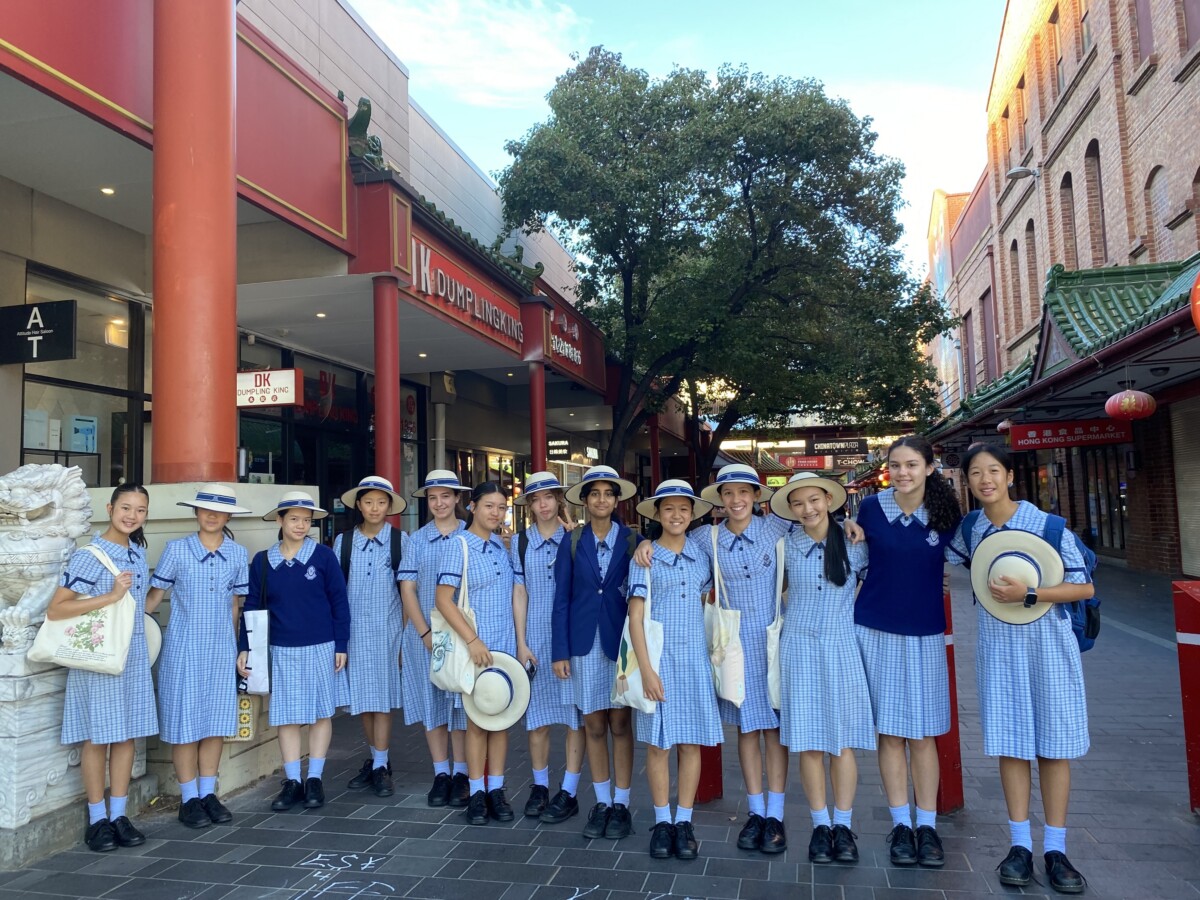
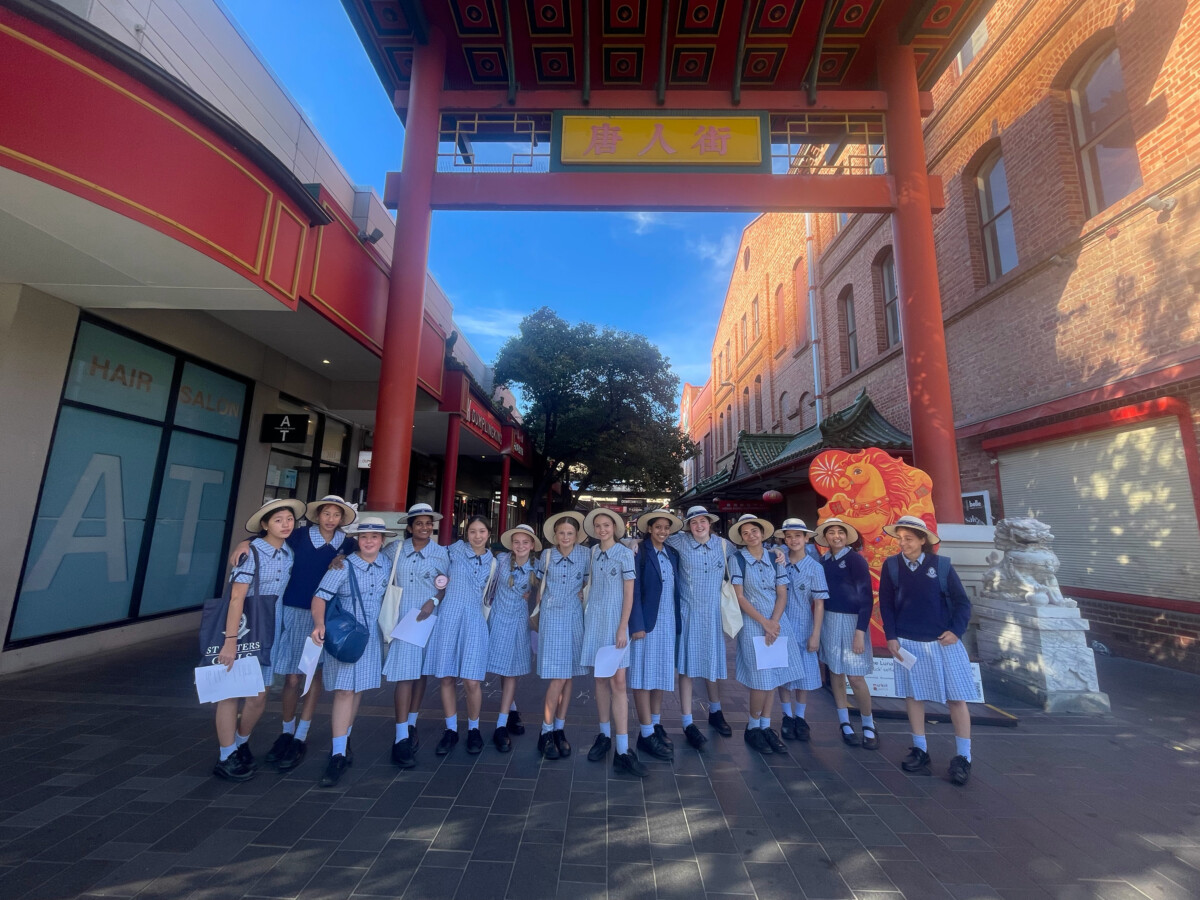
Our Year 8 Chinese students enjoyed an excursion to Adelaide’s Chinatown and the Multicultural Central Market, where they put their Chinese into practice in real‑life settings.
From ordering bubble tea to recognising Chinese characters on shop signs and describing food they tried, students used the language with enthusiasm. The experience encouraged authentic communication, teamwork and plenty of smiles along the way.
The excursion was a wonderful reminder that Chinese is not just a classroom subject, but a living language students can use in their everyday lives.
Ying Liu
Language Teacher