
The Importance of Name Recognition in Early Literacy Development
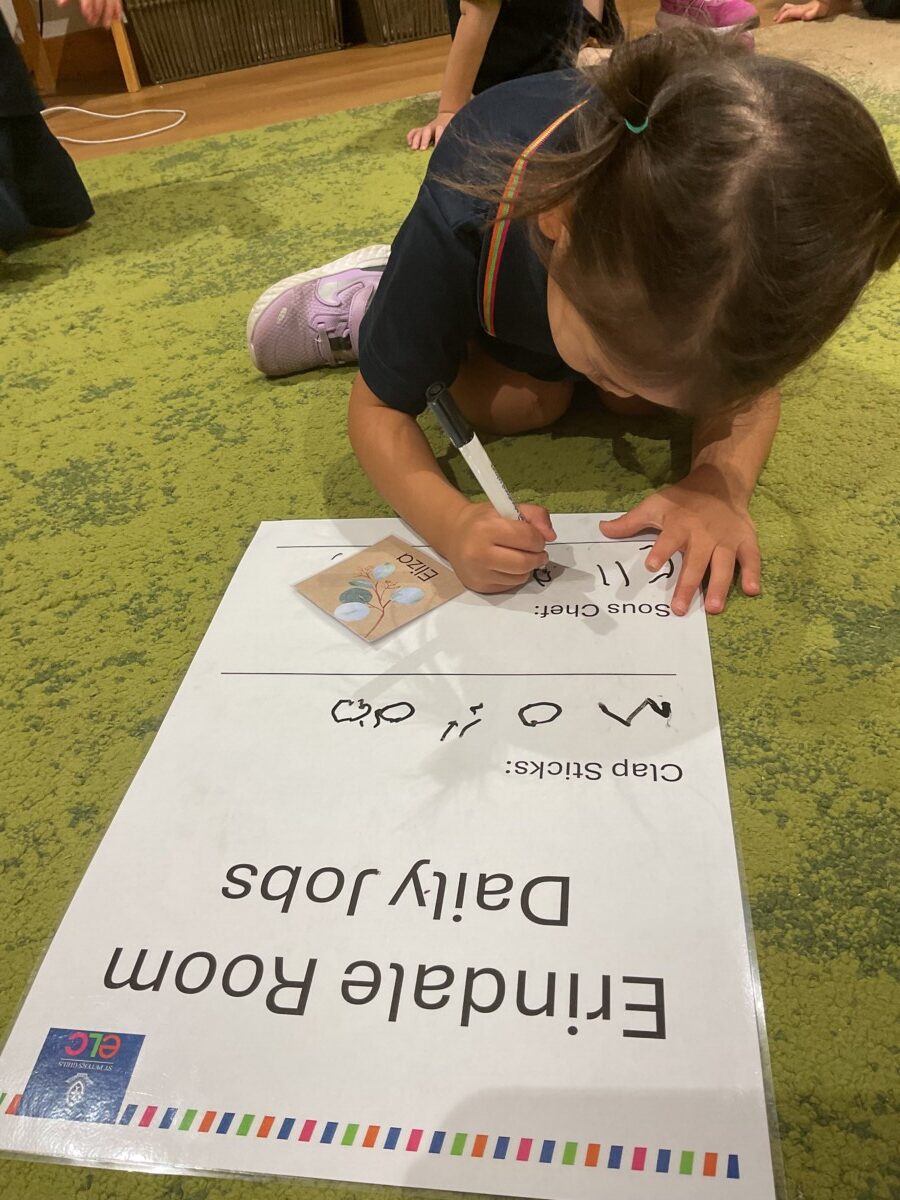
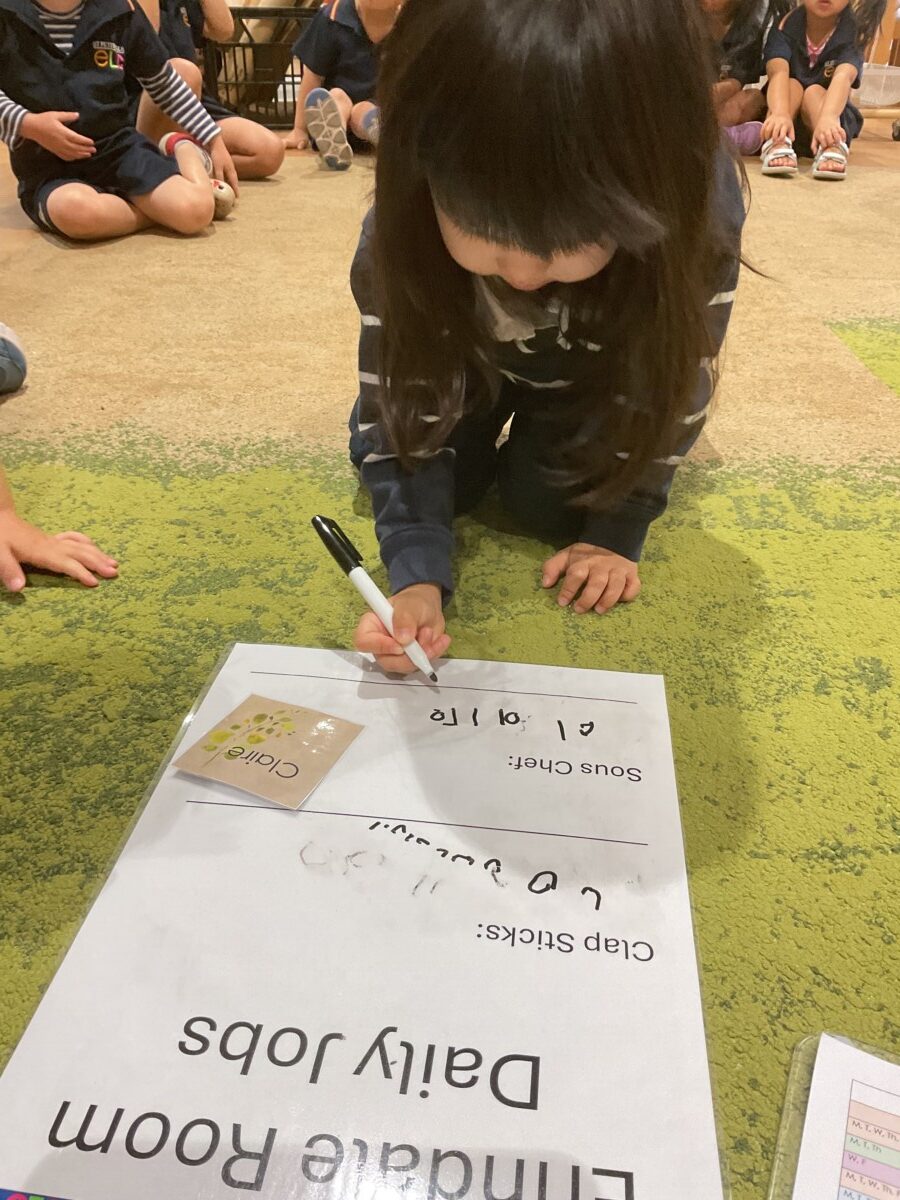
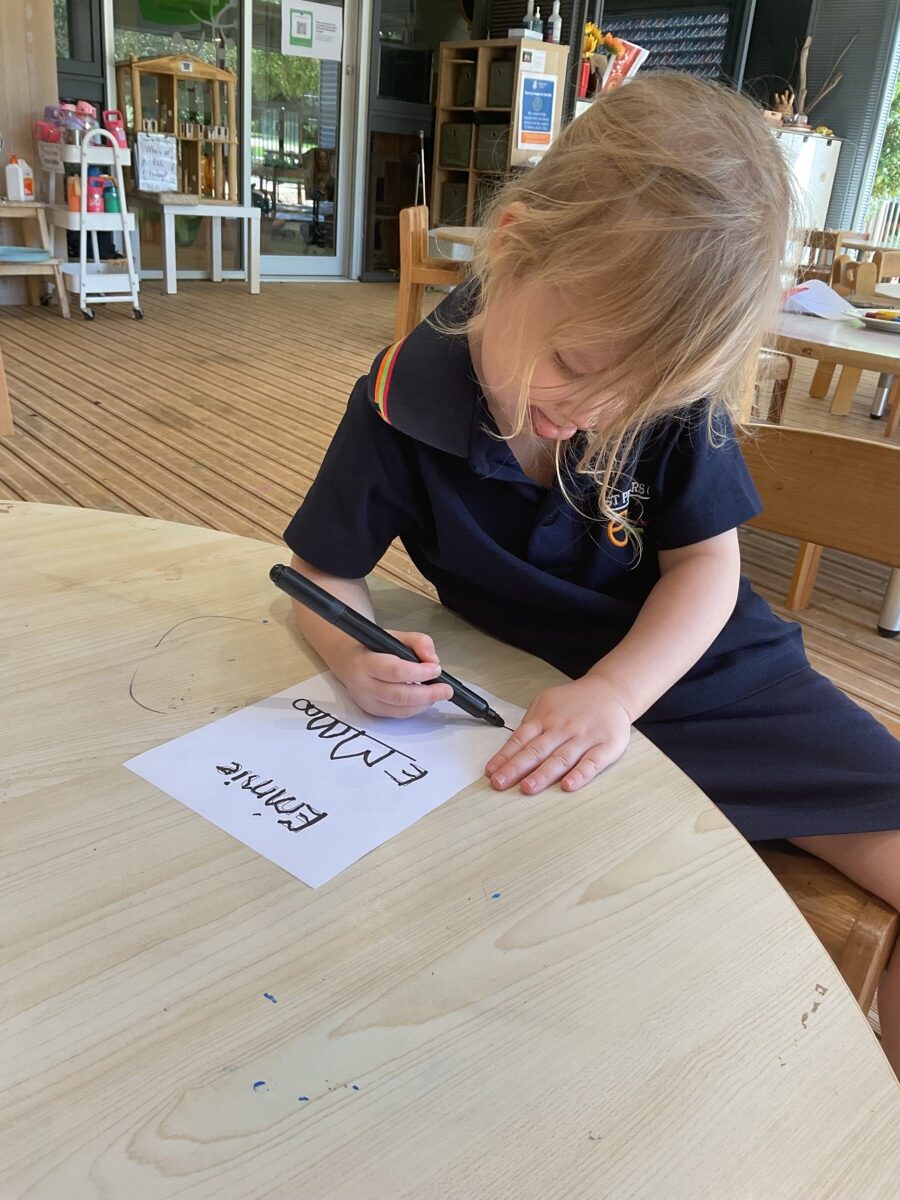
Across the ELC, we recognise that a child’s name is a fundamental part of their identity. Developing an understanding of and connection to their own name is a significant step in their emerging literacy journey. Learning to recognise and write their name not only supports early literacy skills, but also nurtures a deeper sense of self and belonging.
Names are more than labels, they carry meaning, culture and personal history. The first letter of a child’s name often holds special significance and becomes a powerful symbol of identity. Recognising their initial letter, and then the letters that follow, can be both exciting and empowering, fostering confidence and a strong sense of accomplishment.
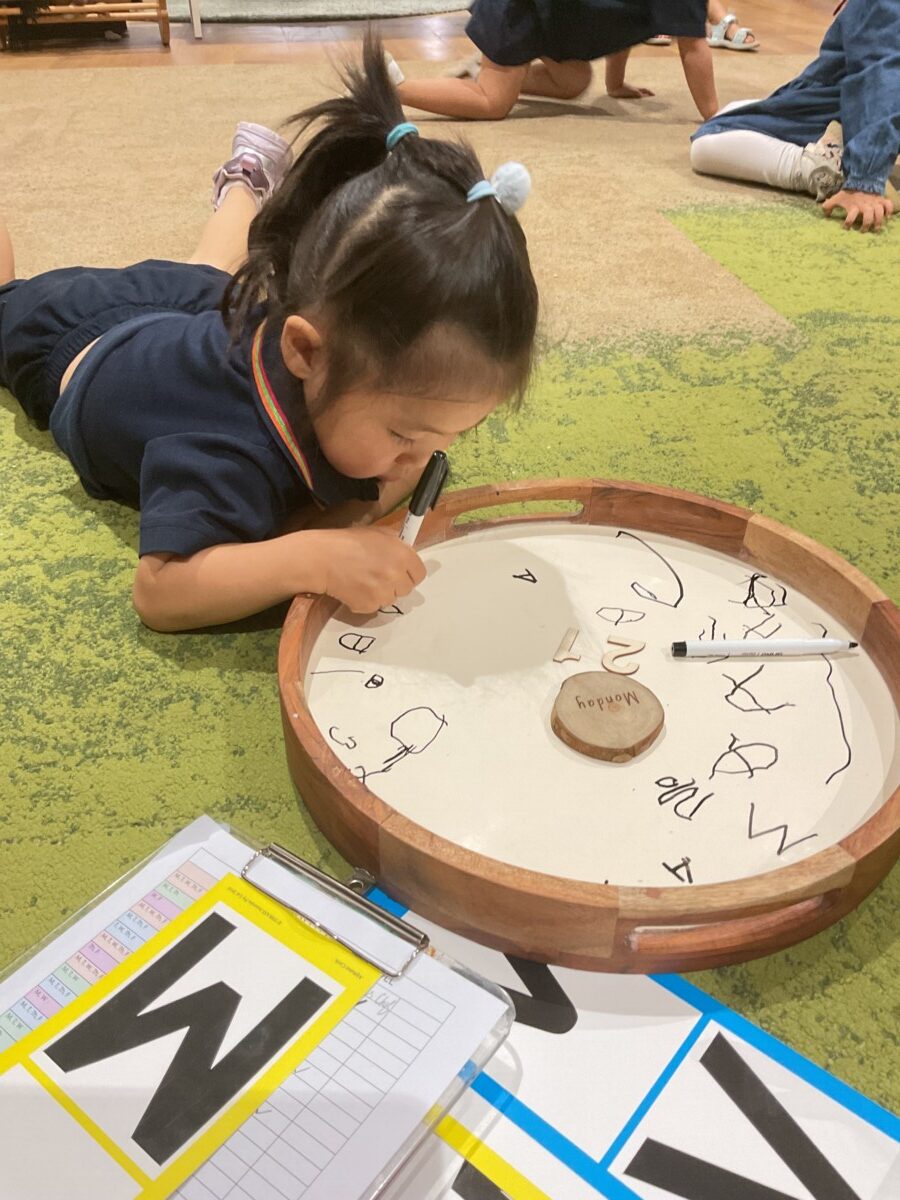
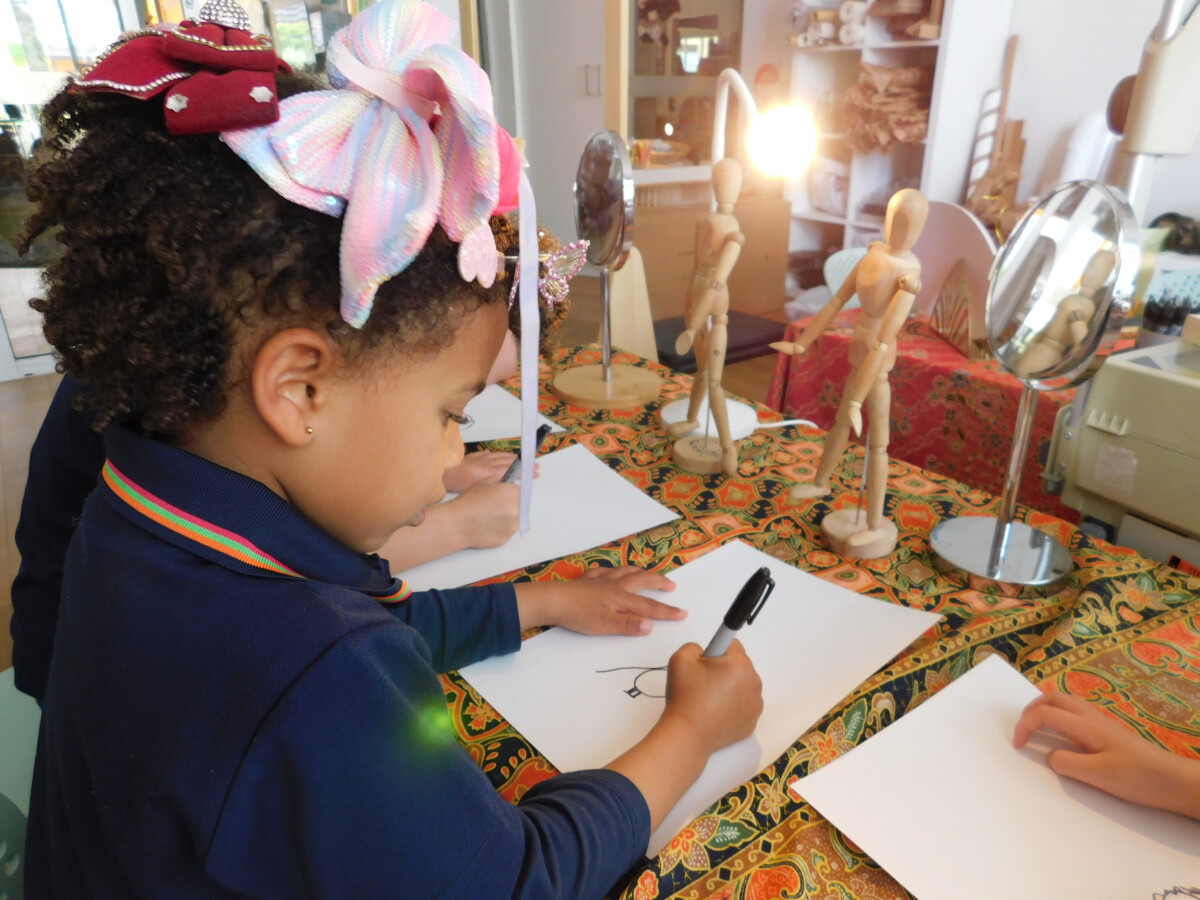
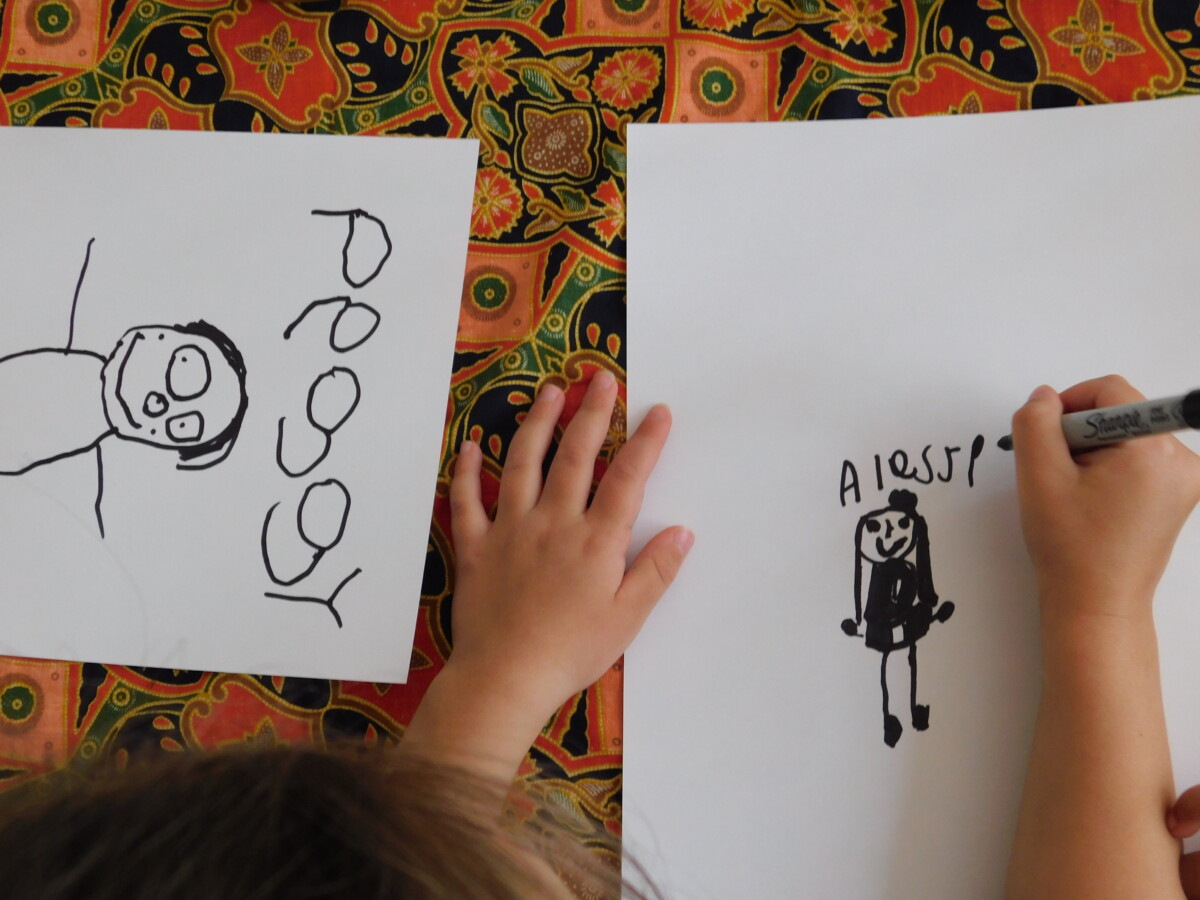
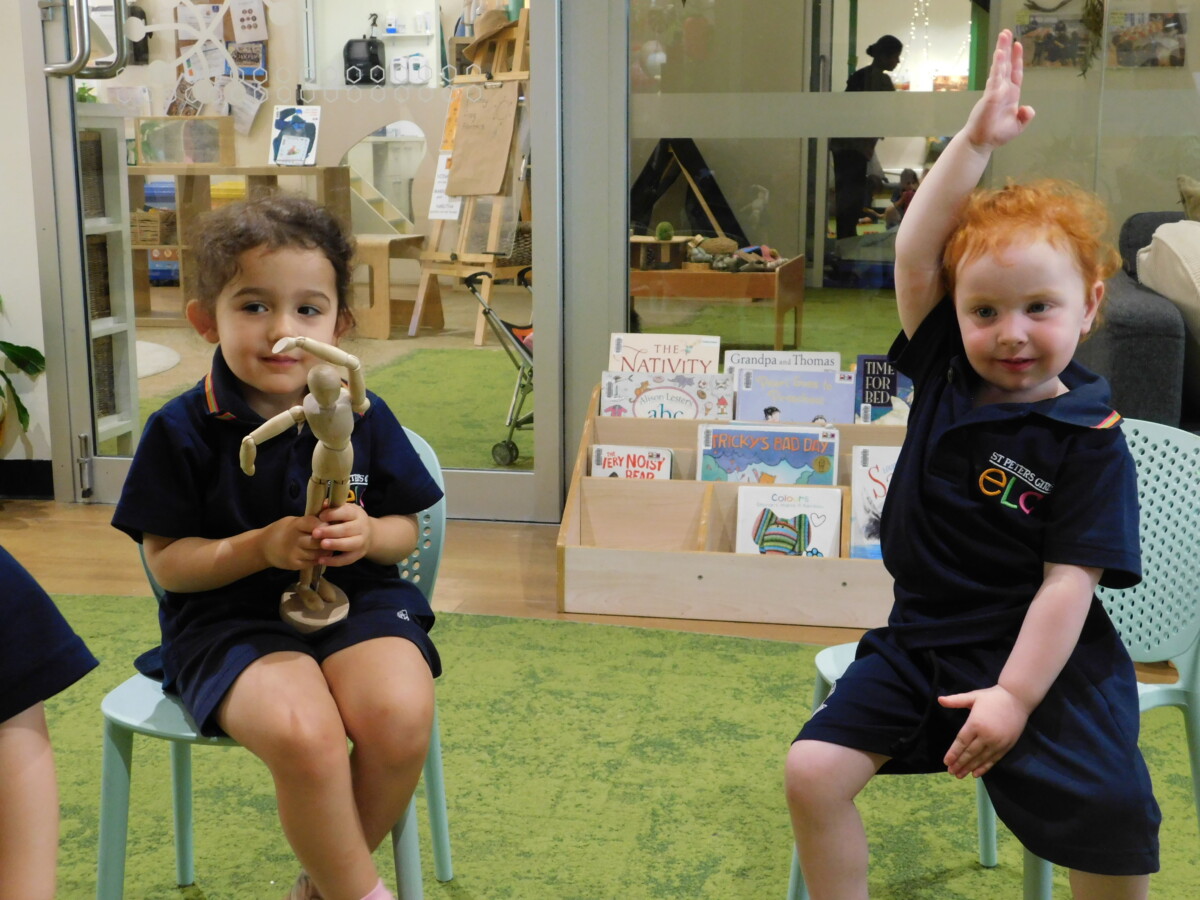
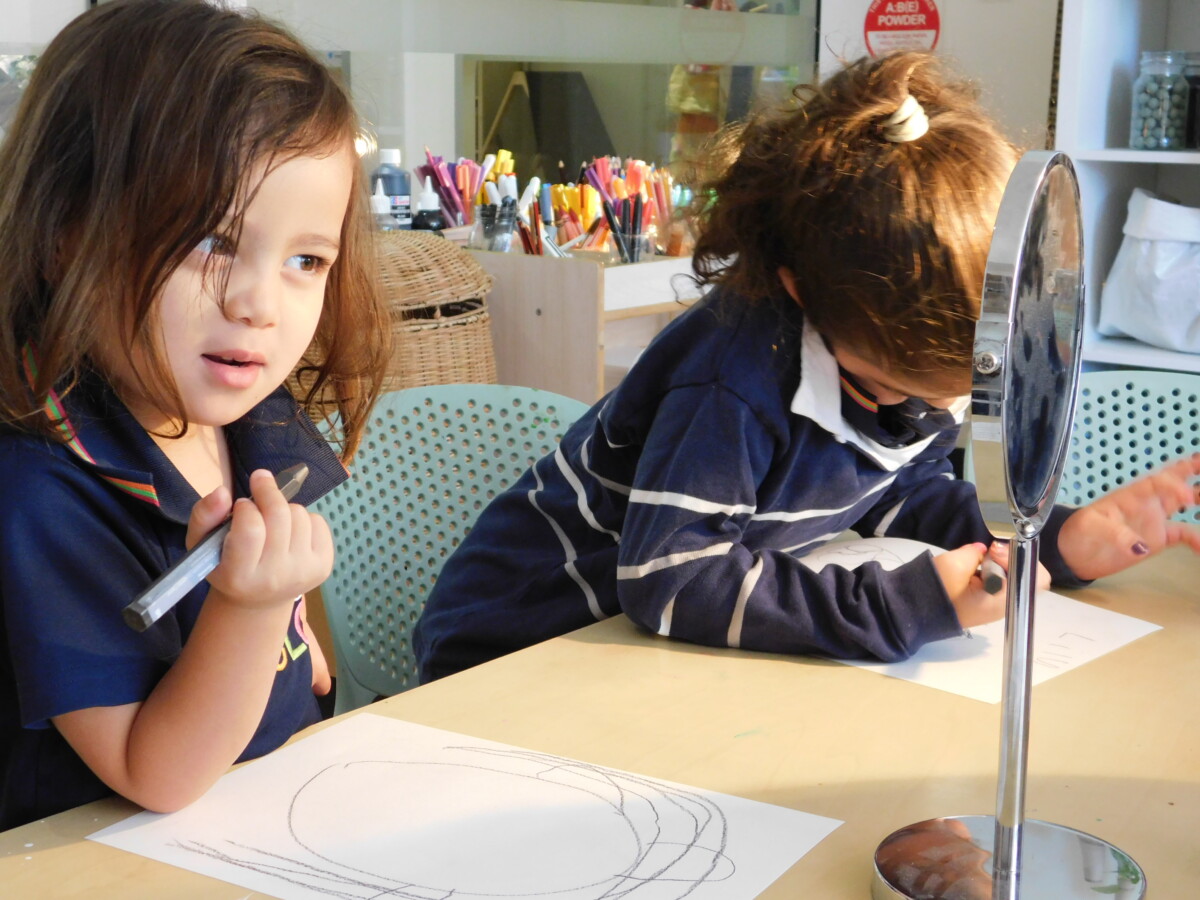
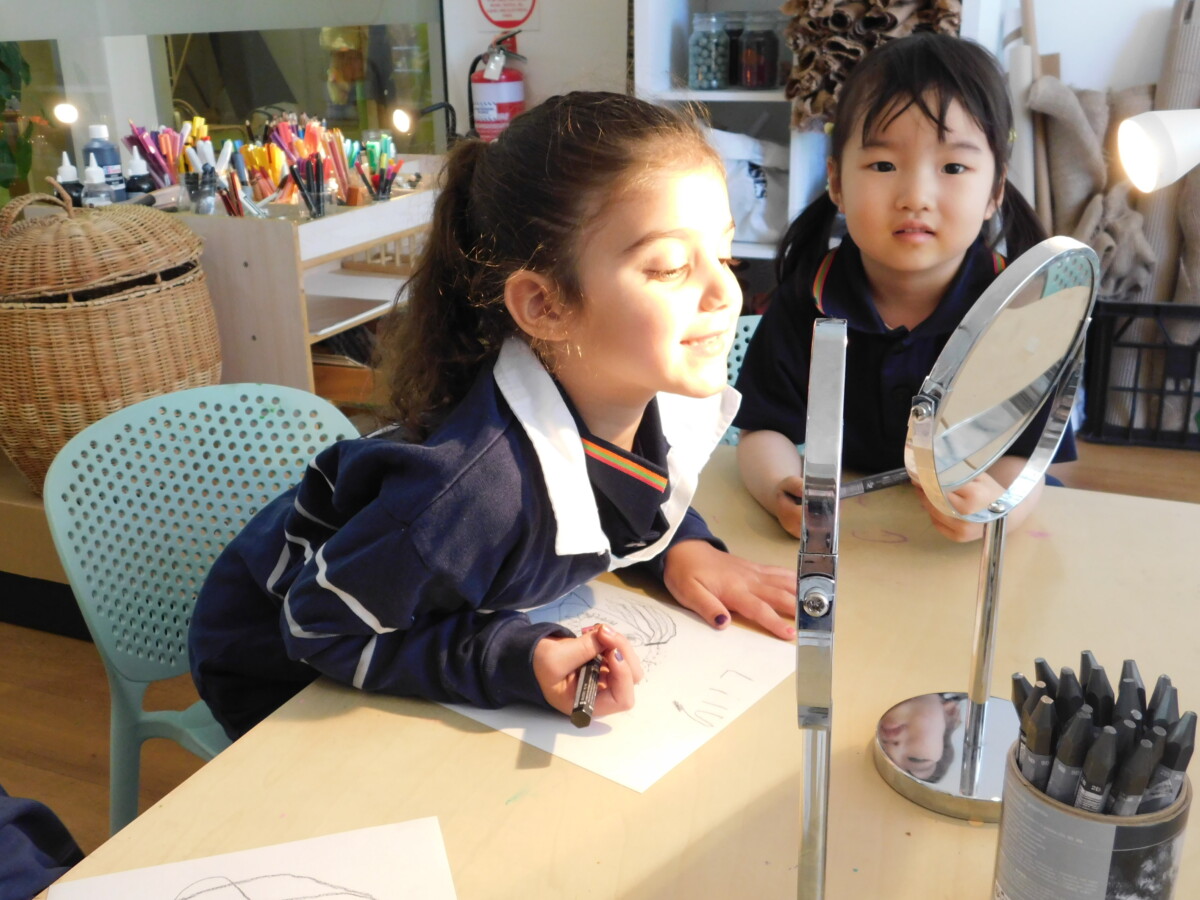
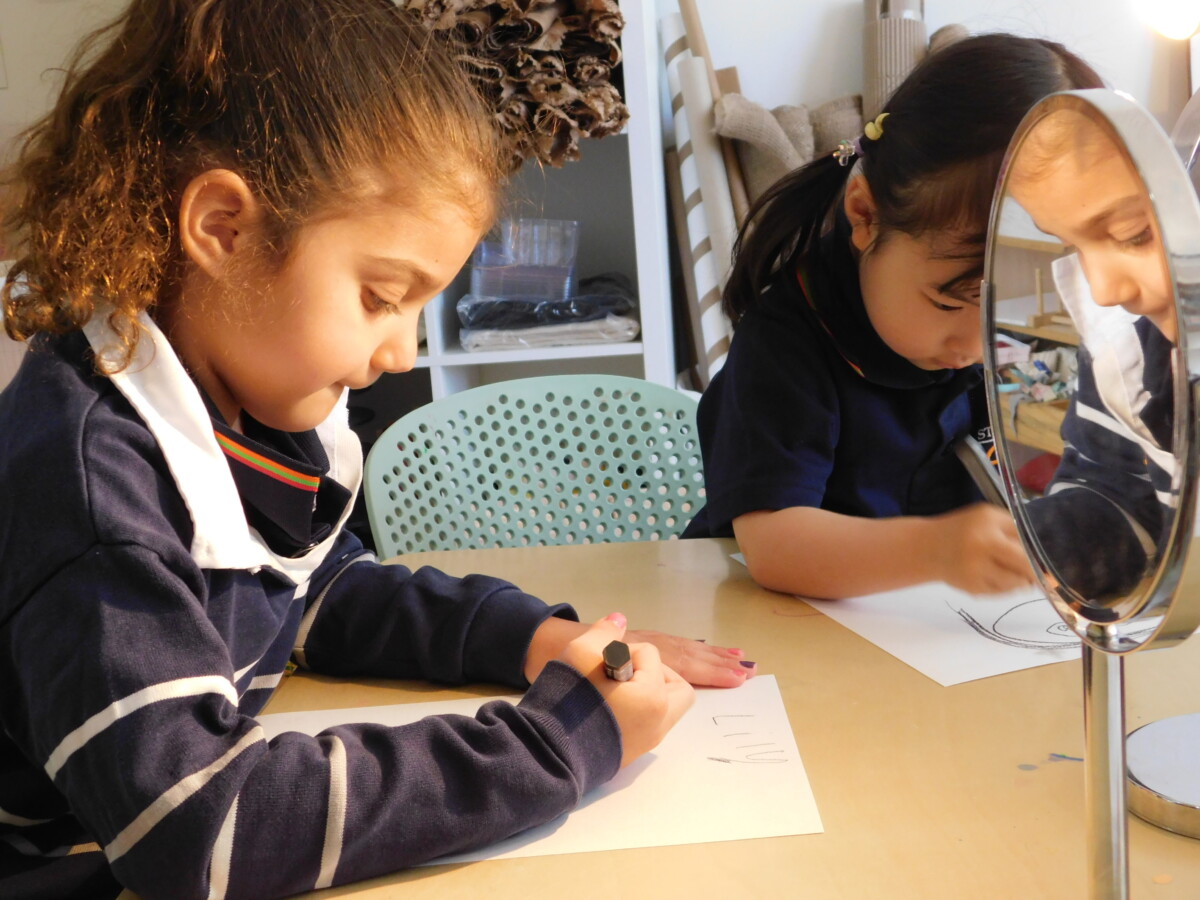
In Learning Community 2, we have invited children to explore and engage with letters in a variety of playful and meaningful ways. These experiences include:
- Building knowledge of letter names
- Practising writing their own names
- Creating names with playdough
- Developing personal “signatures”
- Tracing tactile letters
- Exploring environmental print
- Arranging magnetic letters on whiteboards
- Identifying initial sounds through games
- Participating in songs that emphasise repetition of beginning sounds
Through these intentionally designed provocations, children are encouraged to make connections between letters and their personal identity. As they experiment with symbols and sounds, they begin to understand how letters form words and how written language tells their story.
By focusing on name recognition and name writing, we support children to develop foundational literacy skills while affirming who they are. This approach not only strengthens early reading and writing development, but also deepens each child’s personal connection to written language. As they continue to explore and engage with letters, they build confidence, competence and a growing understanding of themselves as capable learners.
Learning Community 2
Chloe Skoss, Stasia Vigor and Edel Lilley
The ELC as a Place of Research
The beginning of the year offers a rare moment of pause — a chance to reflect on how children encounter our environments, how relationships begin to form, and how each child’s identity is supported as they step into a new learning journey.
In the Early Years, belonging is not a fixed state; it is created through everyday encounters, rhythms, gestures, and shared experiences. With this understanding, we enter Term 1 with purpose and curiosity.
This year, our pedagogical direction is shaped by our Term 1 PYP Central Idea:
“Welcoming environments can nurture relationships and build a strong sense of identity and community.”
Alongside this sits the launch of our 2026 ELC Research: The Body in Relation. Together, these frames guide our decisions, align our values, and support our stance as educators who research with children, not simply about them. As Lella Gandini beautifully reminds us:
“Teachers must see themselves as researchers, always questioning, interpreting, and constructing meaning together with children.”
Our Central Idea
Welcoming environments can nurture relationships and build a strong sense of identity and community acknowledges the environment as an active, shaping force. A sense of welcome is communicated not only through words and gestures but through the structure, design, rhythm, and sensory qualities of a space. Research from Reggio Emilia reminds us that the environment acts as a “third teacher,” communicating possibilities and relationships long before words do. Children read these messages through movement, posture, and sensory engagement rather than verbal interpretation.
Our children are currently exploring these Lines of Inquiry:
How spaces and materials communicate welcome and possibilities
Children understand the world through their bodies. Pathways, thresholds, corners, and materials are interpreted through movement and touch. When environments offer accessible routes and diverse materials, they signal safety, invitation, and agency.
How relationships shape identity and belonging
Identity forms within relationships — between child and educator, child and peers, and child and place. Shared actions, rituals, and collaborative encounters build belonging long before children articulate it in words.
Why shared experiences build community
Rituals, group projects, and collective moments synchronise bodies and create the foundations of community life. These experiences cultivate trust, rhythm, and a shared emotional landscape.
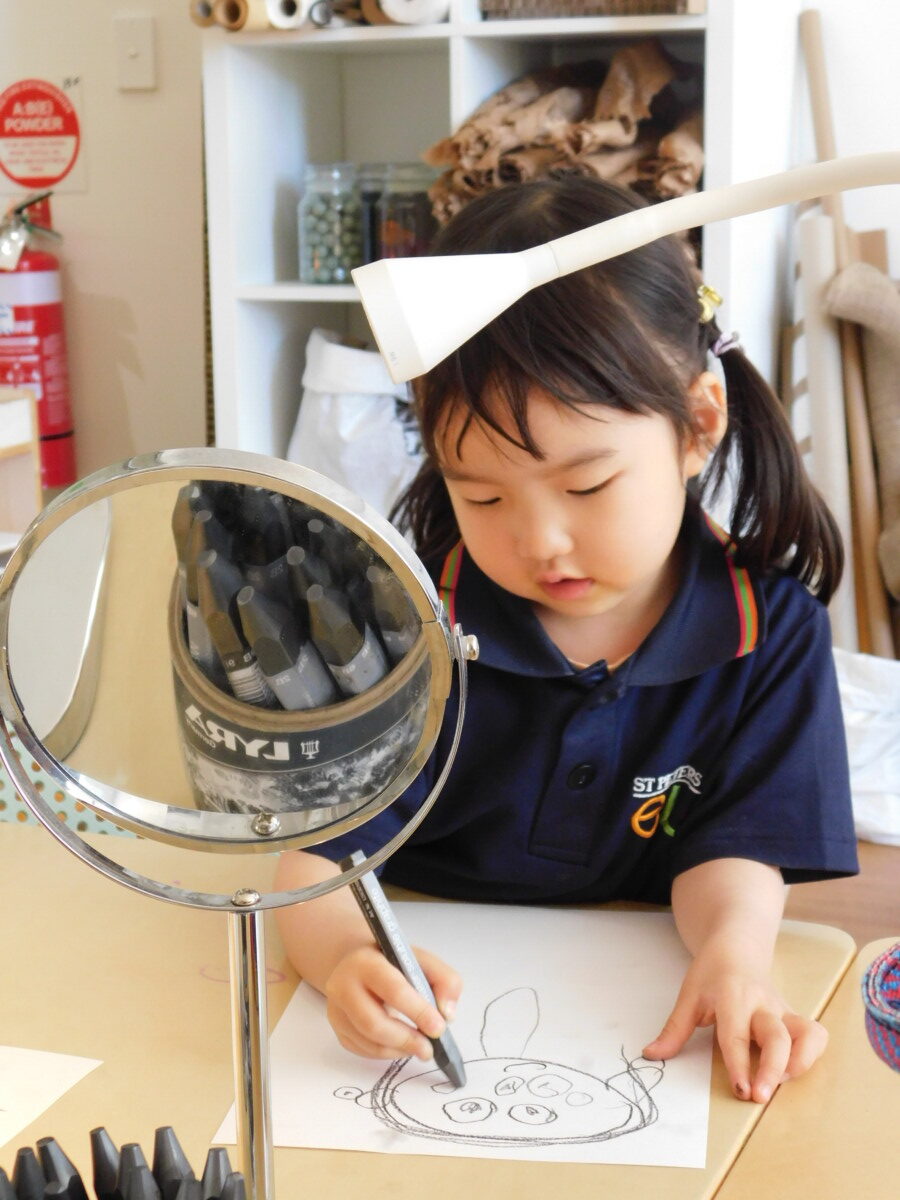
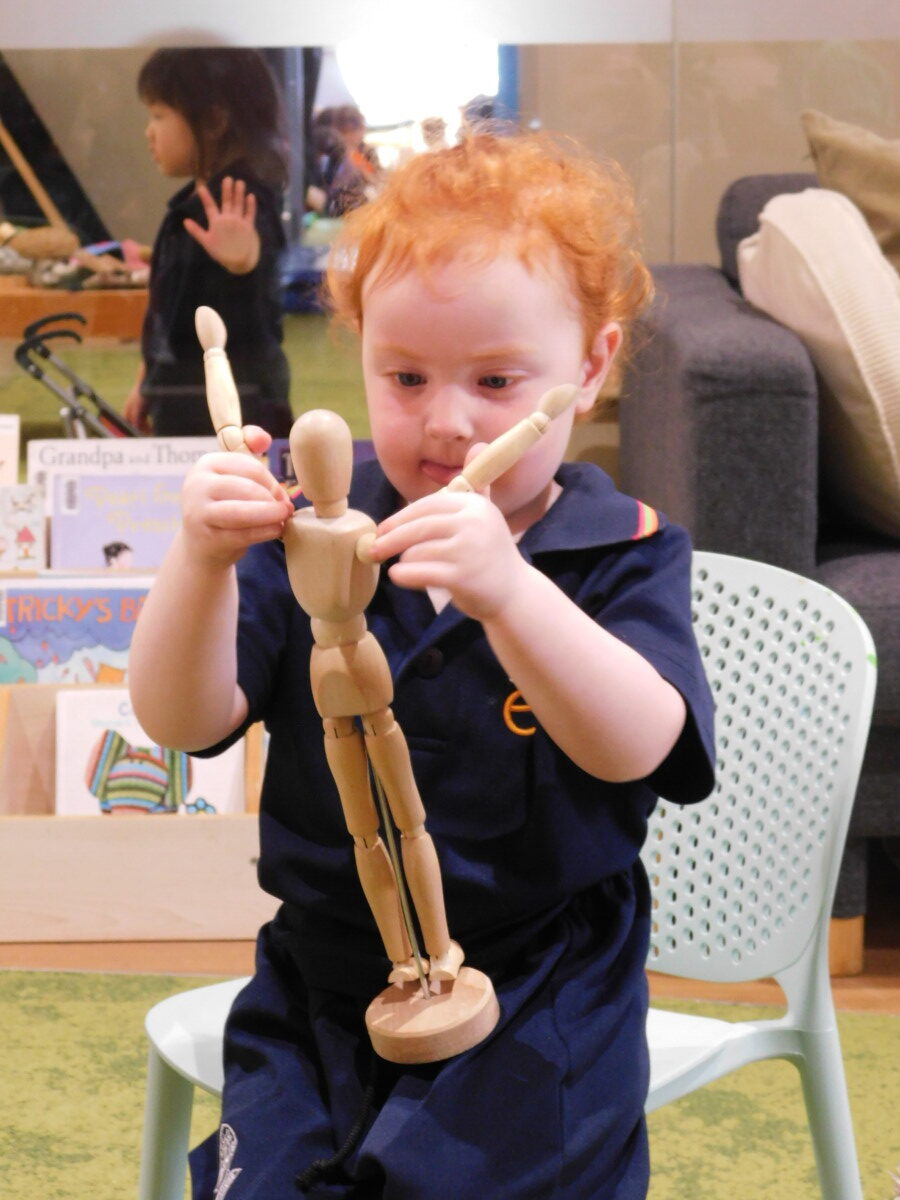
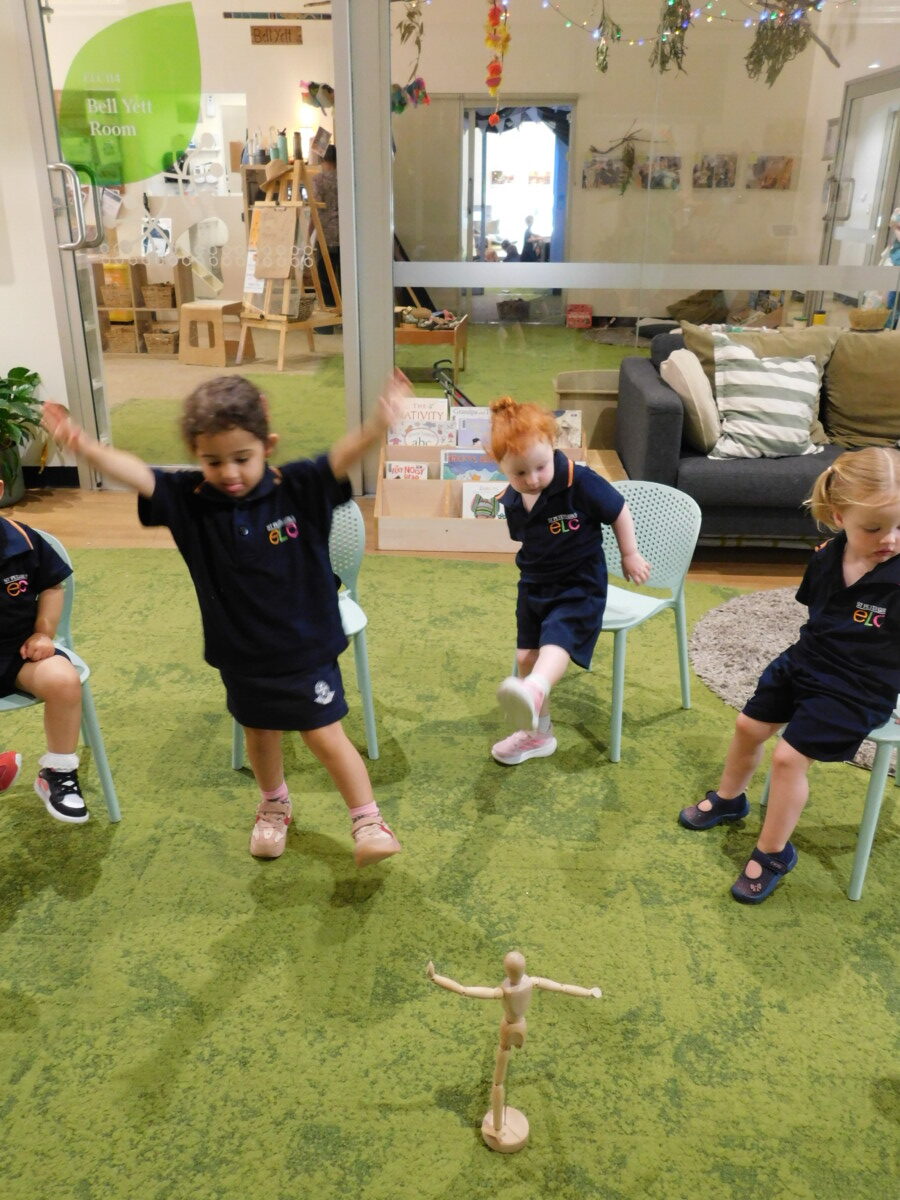
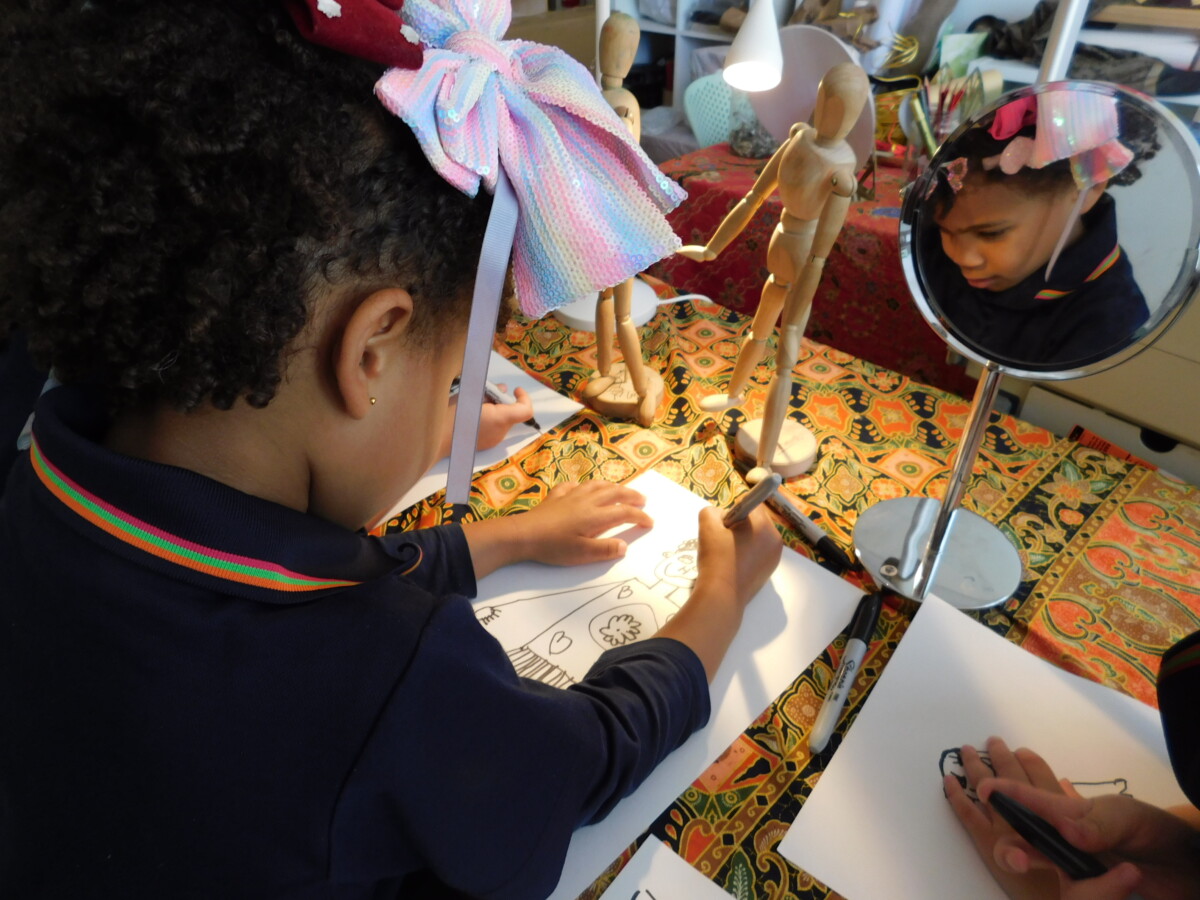
These ideas form the foundation of our 2026 research focus, The Body in Relation, which foregrounds the body as central to early learning. Before language emerges, children meet the world through gesture, movement, and sensory engagement; the body becomes the first instrument of inquiry.
We look forward to a year of thoughtful inquiry as The Body in Relation guides our practice and deepens our understanding of children’s experiences, relationships and learning processes within our learning community.
Caterina Pennestri
ELC Atelierista and Pedagogical Coordinator
Twilight Picnic: Celebrating Connection and Community
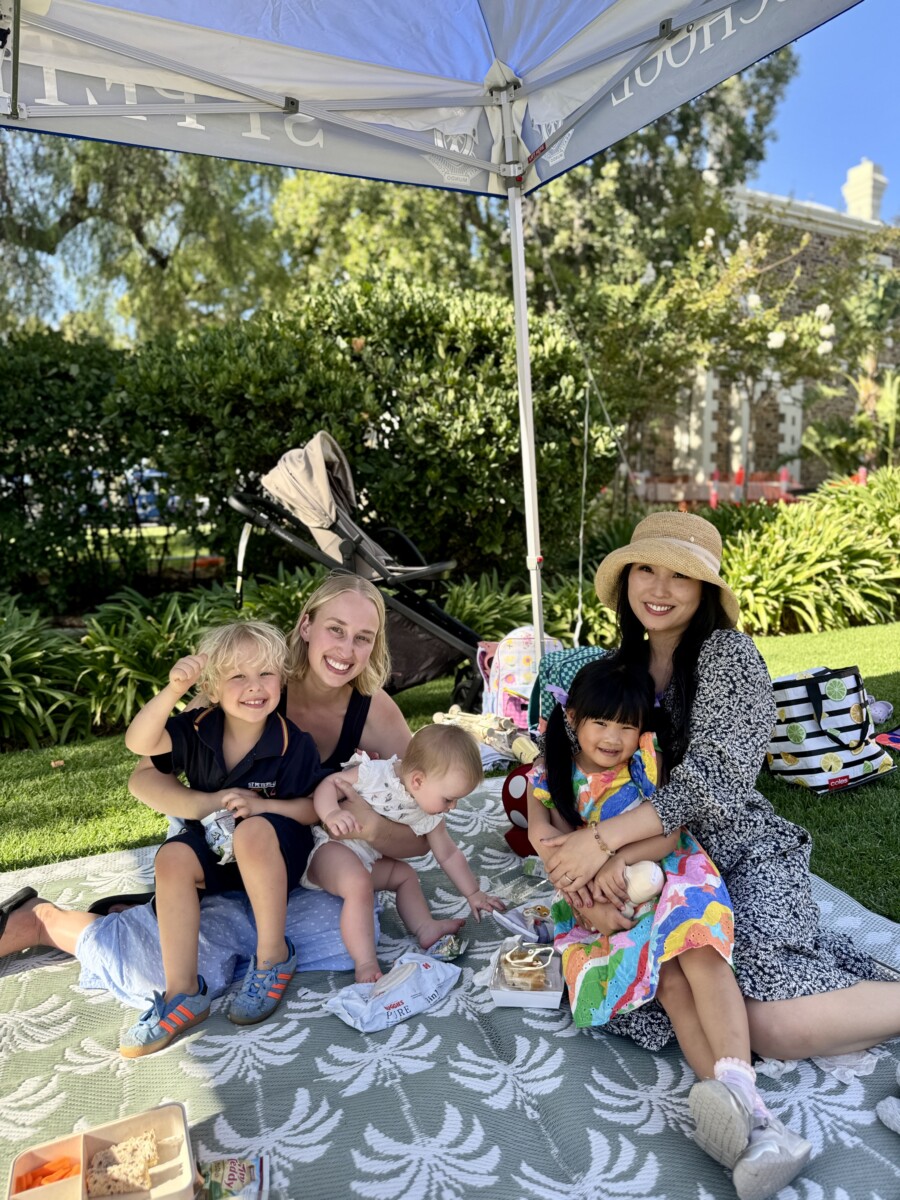
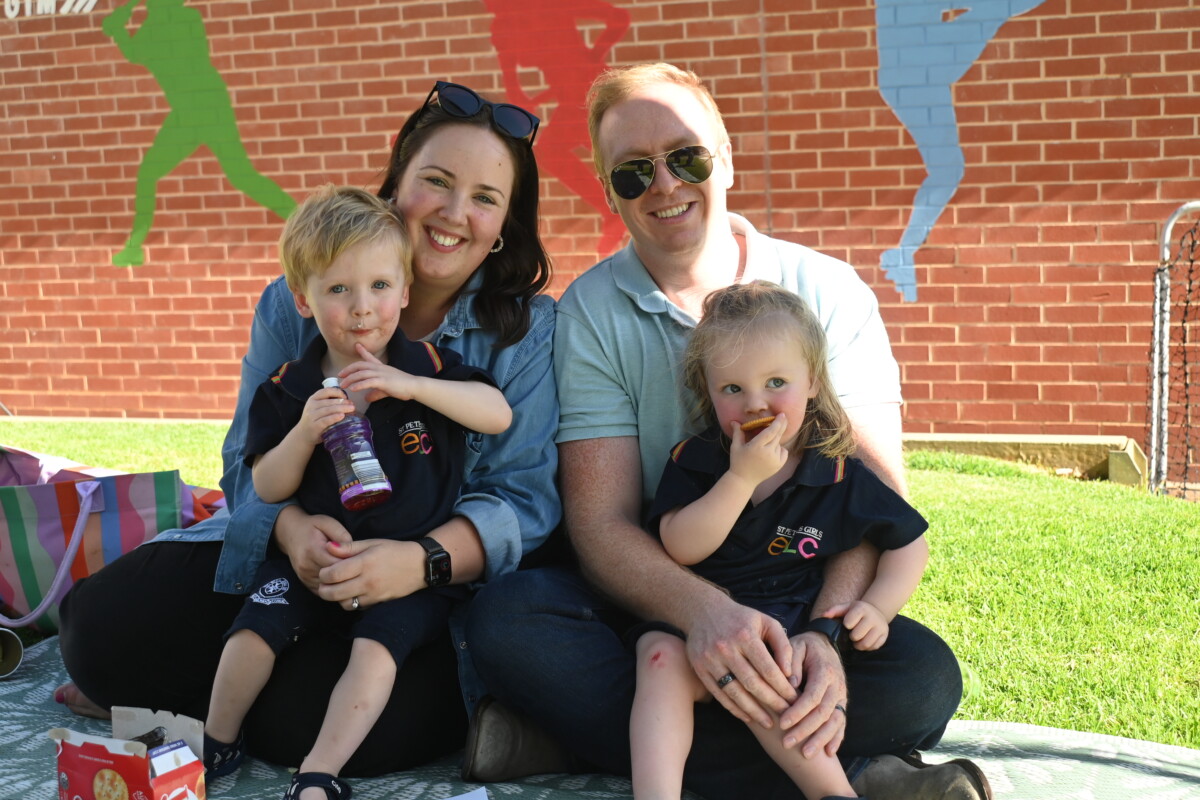
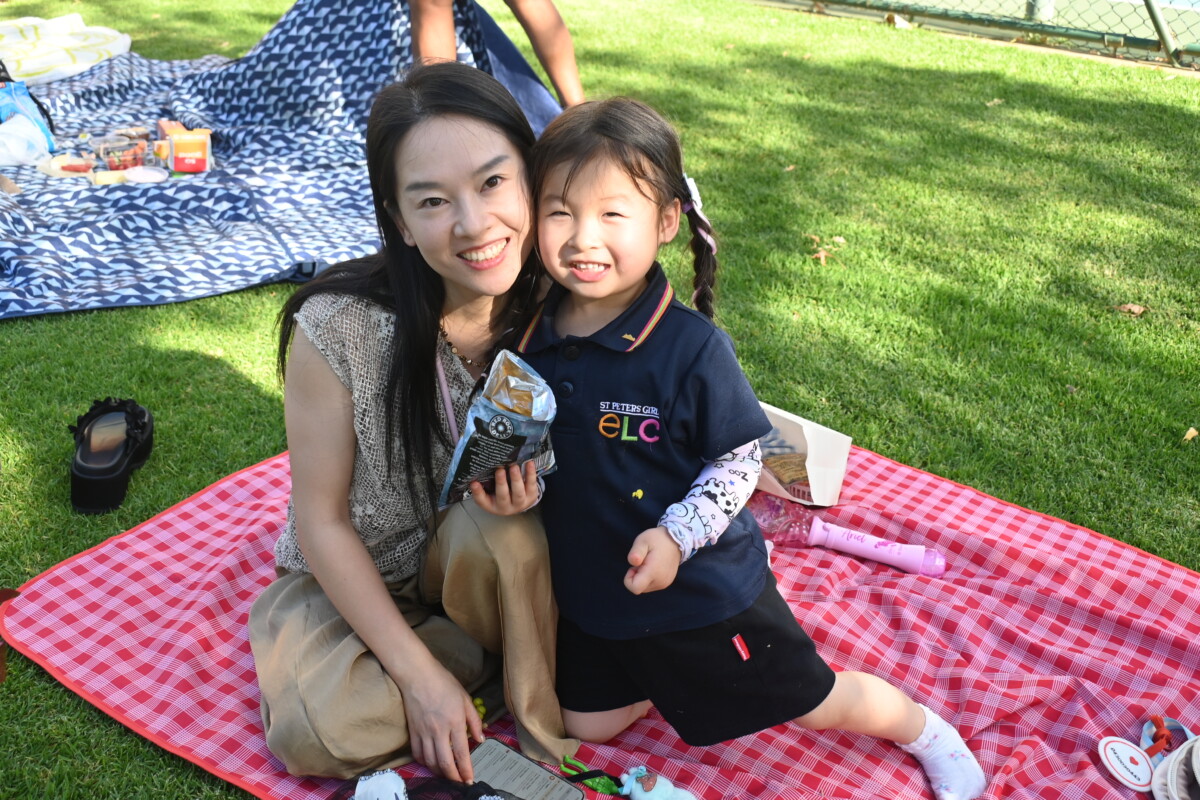
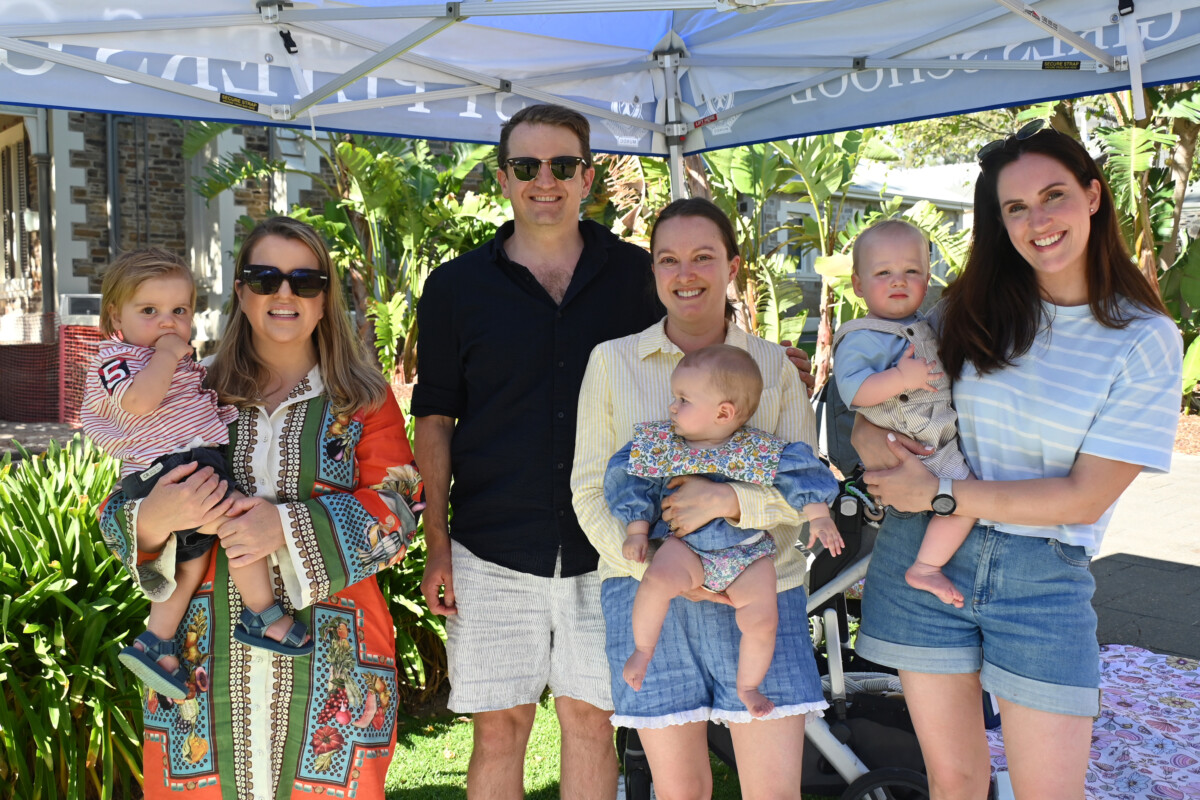
At St Peter’s Girls’ ELC, we are deeply committed to fostering a strong sense of belonging and meaningful connection within our community. Events such as our much-anticipated annual Twilight Picnic provide a beautiful opportunity to strengthen relationships, celebrate community, and create lasting memories together.
A special moment of the evening was when our ELC children led the Acknowledgement of Country. With pride and sincerity, they honoured the Kaurna people as the Traditional Owners of the land on which we live, learn and play, and acknowledged our shared responsibility to care for and respect Country. Hearing our ELC friends join together in this meaningful moment was both powerful and deeply moving, a reflection of the respect and understanding we nurture within our community.
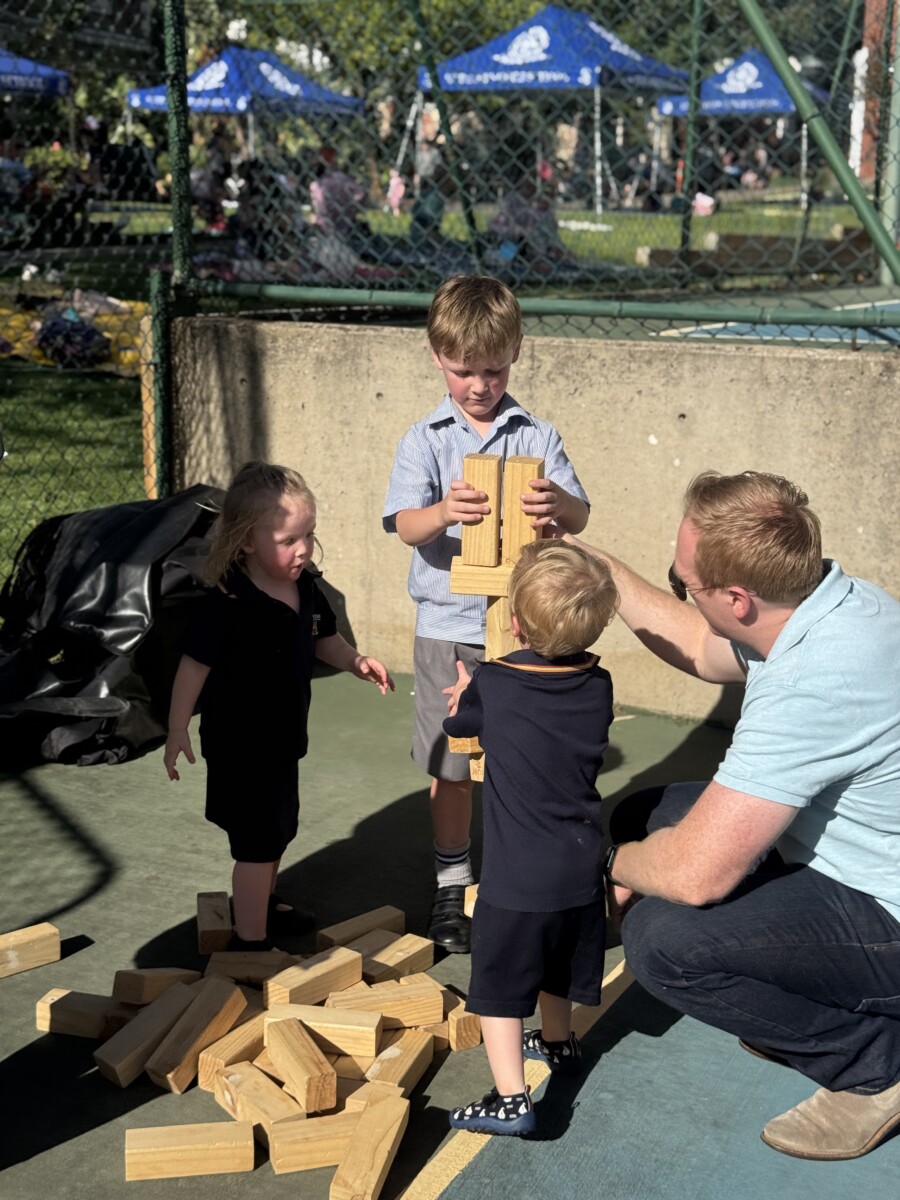
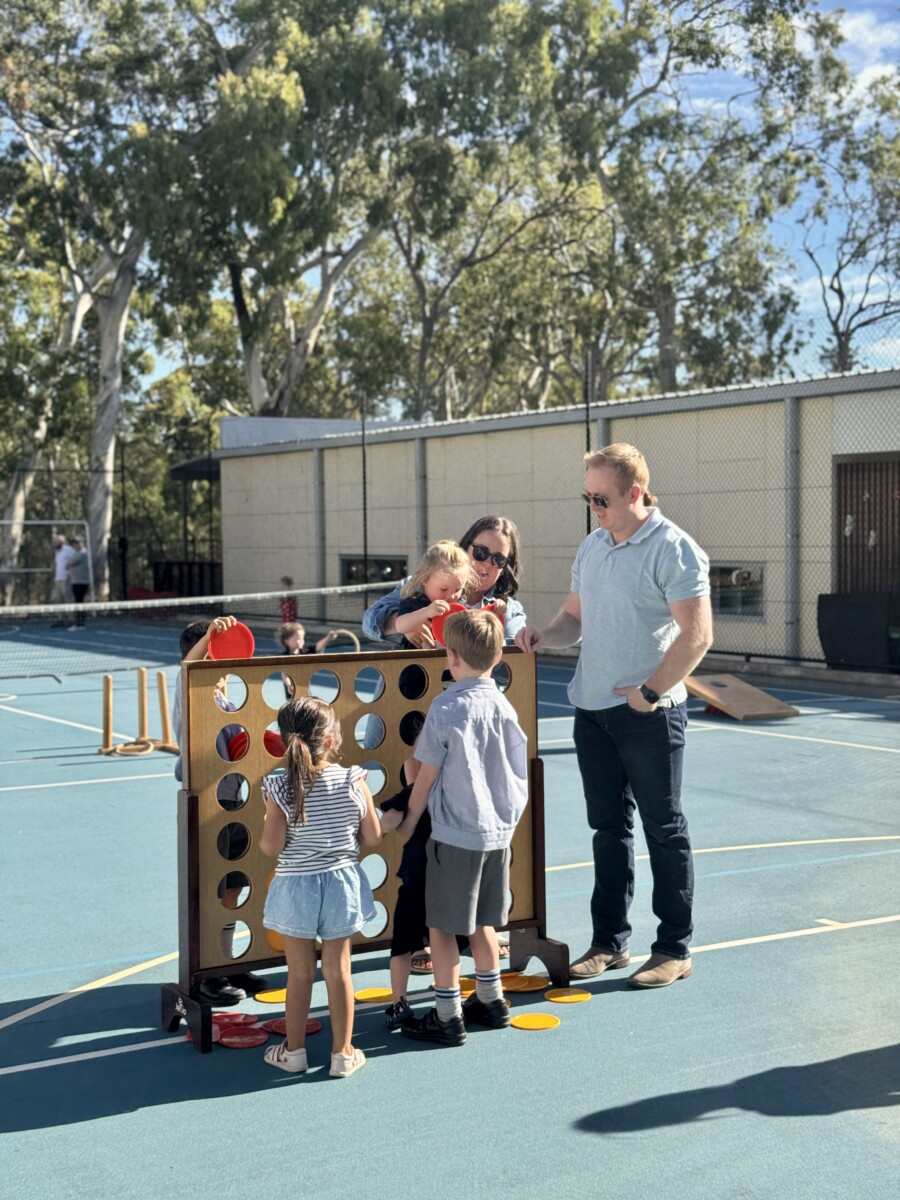
The evening offered joyful experiences for children and families alike. The gelato van proved a popular treat, with friends eagerly choosing flavours and gathering together to enjoy something special. Children were also drawn to the large wooden outdoor games engaging in throwing challenges and skill-based activities that sparked laughter, teamwork and friendly competition among children and families. These simple yet inviting experiences created natural opportunities for connection, as children and families played side by side.
Adding to the festive atmosphere was our new ELC photo wall, set up in the Jeffreys Linn Arts Centre. Complete with playful props, it provided families with the opportunity to capture keepsake moments from the evening snapshots of joy, friendship and community.
Cultivating meaningful relationships remains a core priority for us, and evenings like these remind us of the richness that community brings to children’s lives. We look forward to many more opportunities throughout 2026 to gather, celebrate and continue growing together.
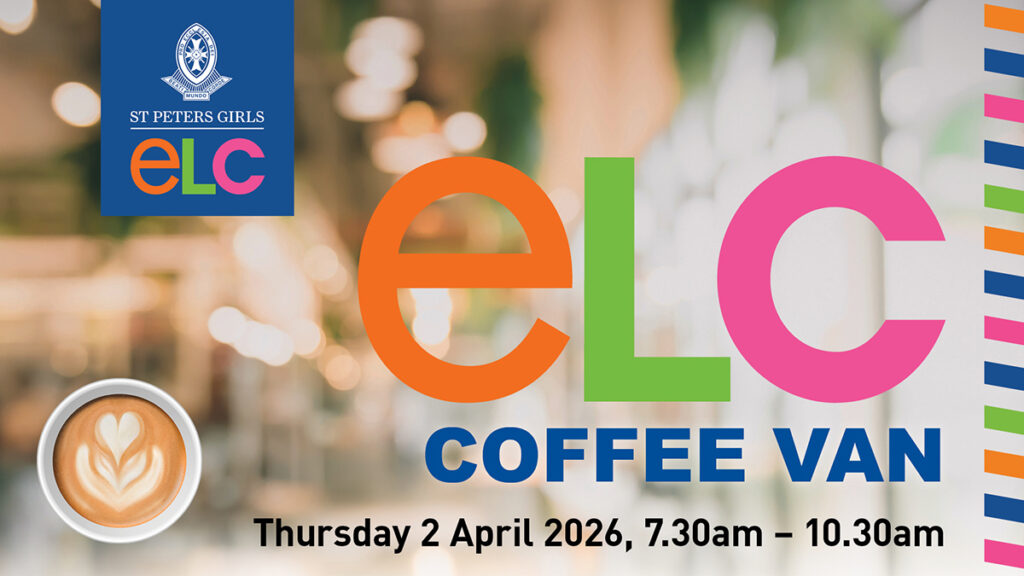
ELC Coffee Van
All ELC families are warmly invited to join us on the final day of Term 1 for a relaxed morning coffee.
Enjoy a complimentary coffee and a delicious hot cross bun while connecting with other families in our ELC community as we celebrate the end of a wonderful term.
Easter Activity for Pathway and Reception Children
At 8:45am our Pathway Ferguson and Hallett children and their parents are invited to join our Reception students and families for a special Easter activity. This will be a lovely opportunity for our children to come together, connectwith the School community and enjoy some festive fun.
For catering purposes, please ensure you book via the button below so we can plan appropriately.
Upcoming ELC Events
| Monday 9 March | Publilc Holiday (ELC Closed) |
| Tuesday 24, Wednesday 25 and Monday 30 March | Parent-Teacher Conversations |
| Thursday 2 April | Coffee Van for ELC Families & Easter Activity for Pathway Children |
| Tuesday 7 – Friday 17 April | Vacation Care |
ELC closed Friday 3 April and Monday 6 April (public holidays).